Plan your trip · Swiss facts
40 interesting, fun and astonishing facts about Switzerland
There are many interesting facts about Switzerland that you probably don't know yet. If you want to get ready for your trip to Switzerland, here are 40 fascinating, useless, interesting and fun facts about Switzerland. You'll be perfectly equipped to show off your knowledge. Or did you know that guinea pigs should never be kept alone in Switzerland? Or that the Lord of the Rings was inspired by Switzerland? Read on and widen your knowledge base.

Table of Contents
Before you visit a new country, it can be helpful to brush up on a few facts. Whether it's for your next quiz night, a casual chat with someone on the train, or just to show off in front of your friends.
Switzerland may be small on the map, but it definitely packs a punch when it comes to facts. Here’s a list of 40 interesting, strange, and funny facts about Switzerland.
Switzerland is expensive
This is a well-known fact, but it’s still worth mentioning. Switzerland is one of the most expensive countries in the world. It’s good to be aware of this before you come here. This means you’ll likely spend more money at Starbucks, in restaurants, on day trips, and while shopping than you might be used to.
Once you accept this reality, your 7 CHF Big Mac and your 8 CHF Chai Tea Latte at Starbucks won’t knock you off your feet anymore. And when you return home, everything will feel much cheaper.
Unless, of course, you live in Norway, Bermuda, or Iceland.
Swiss Activities Tip: If you’re looking for ideas on how to save money in Switzerland, we recommend checking out our article on this topic.
Switzerland is Small
With an area of just over 40,000 km², Switzerland is quite a small country. Sweden is 10 times larger, Australia is 188 times larger, and Canada is 243 times larger. This often leads to Switzerland being underestimated when it comes to how much time you should plan for your visit.
In a country that's half the size of Lake Superior, you might not expect much. But we promise you: Even though you could theoretically cross the whole country six times in a day by car or train, a few days in Switzerland just won’t be enough. Although it is possible, as you can see in our itineraries for Switzerland.
Switzerland has four official languages
Can you name them all? German, French, Italian, and Romansh. With about two-thirds, German is the most widely spoken language. It is followed by French at around 23%, Italian at 8%, and Romansh at just 1%. This is one of the reasons why Swiss people grow up learning foreign languages. Besides English, it's mandatory to learn at least one other national language in school. In our languages article, you can find out more about this interesting topic.
Swiss German is not a language
If you’re wondering why we didn't specifically mention Swiss German as one of the official languages, here’s the reason. It’s not really a language. Swiss German is a very complex phenomenon and more of a dialect than a proper language. Or rather, a collection of dozens of different dialects. The exact number is hard to determine.
Swiss German is spoken, but not officially written. It doesn’t follow strict grammatical rules. That’s why the constant debates among Swiss about who says it correctly don't really lead anywhere. However, that doesn't stop us from debating energetically anyway.
Switzerland borders five countries
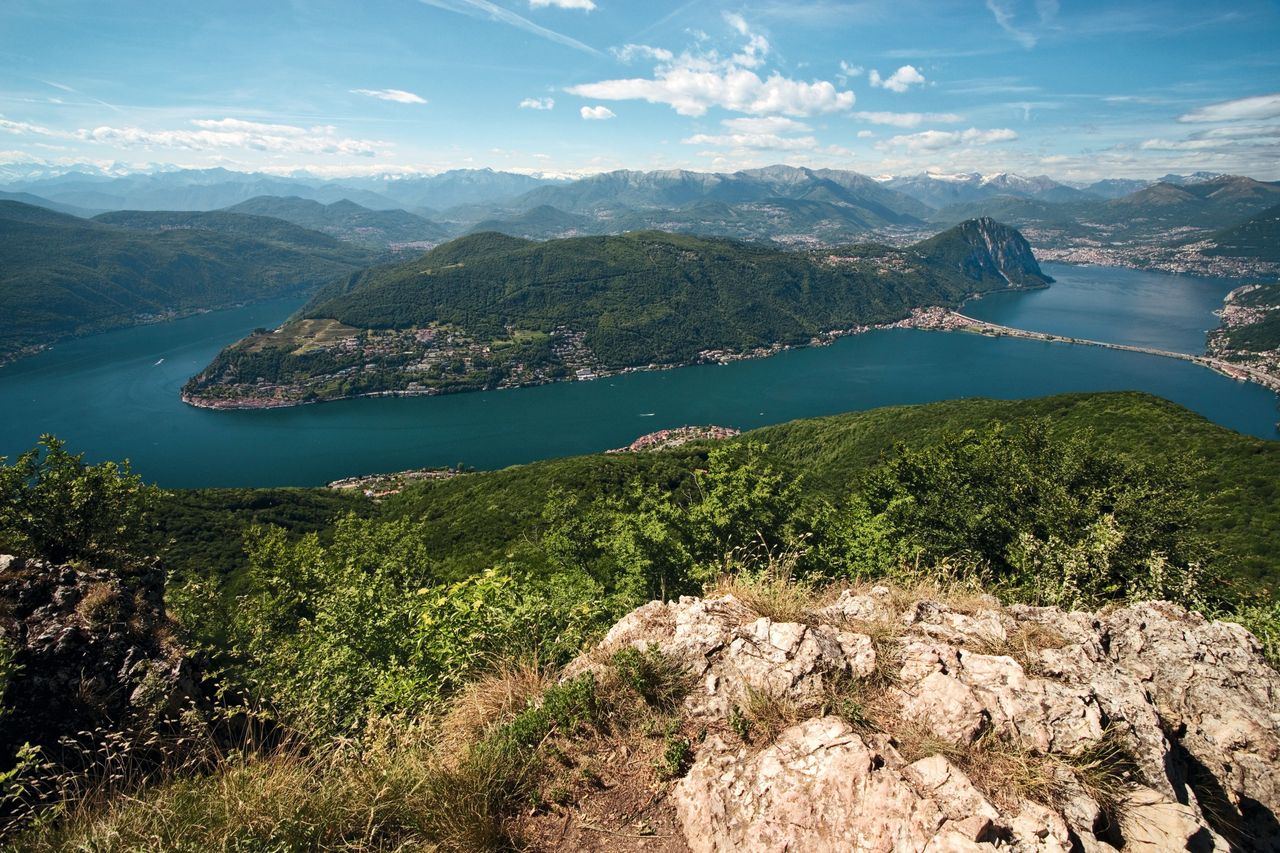
The five countries that border Switzerland are Italy to the south, France to the west, Germany to the north, and Austria and Liechtenstein to the east. This explains why the French part of Switzerland is in the west, while in the southern part, in Ticino, Italian is spoken.
Switzerland has no access to the sea
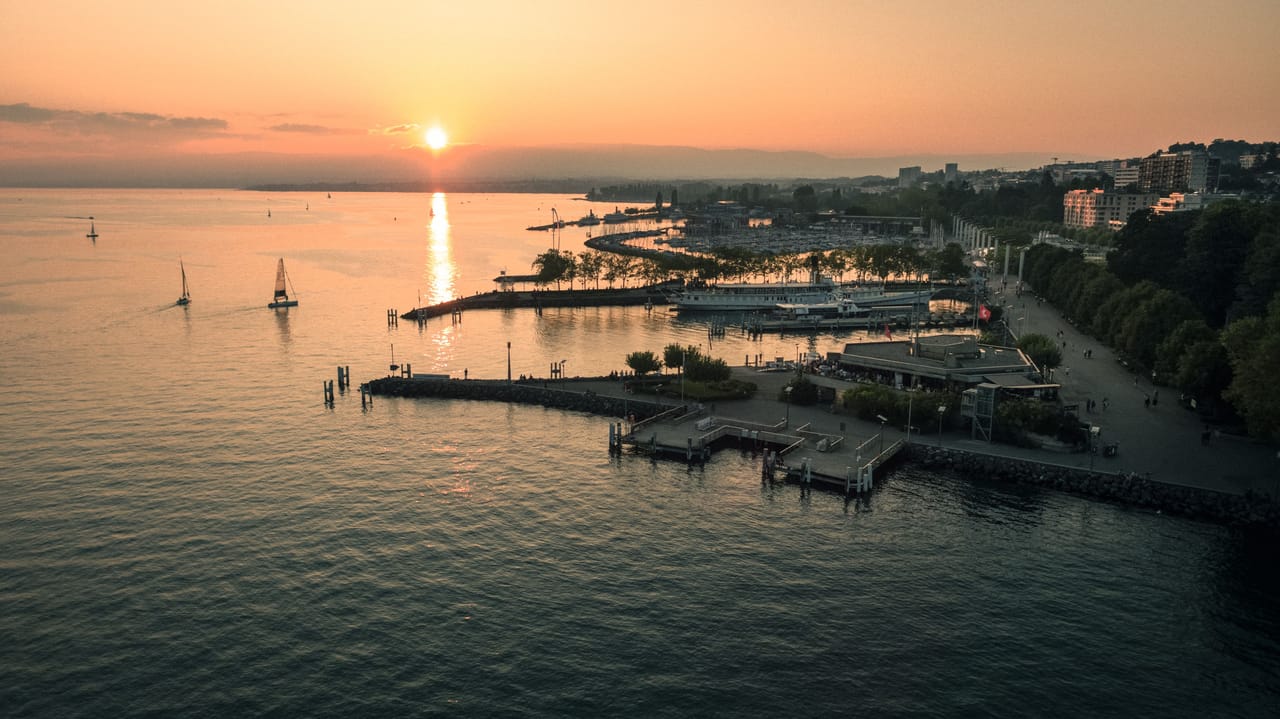
When you're in Switzerland, there are plenty of activities to enjoy. Whether it's hiking, mountain biking, river rafting, paragliding, canyoning, climbing, kayaking, and so many other cool things. Unfortunately, whale watching and diving aren't on the list. Switzerland is completely landlocked, with our rivers being the only way to the sea. So leave your snorkel at home and take your hiking boots instead.
Forests in Switzerland are protected
In the 19th century, the dramatic deforestation led to numerous disasters such as landslides and avalanches. This prompted the Swiss to protect their forests. When the new law came out in 1876, it was revolutionary. It stated, and still states today, that forests in one place can only be cleared if the same amount is replanted somewhere else in Switzerland.
Switzerland loves cheese...
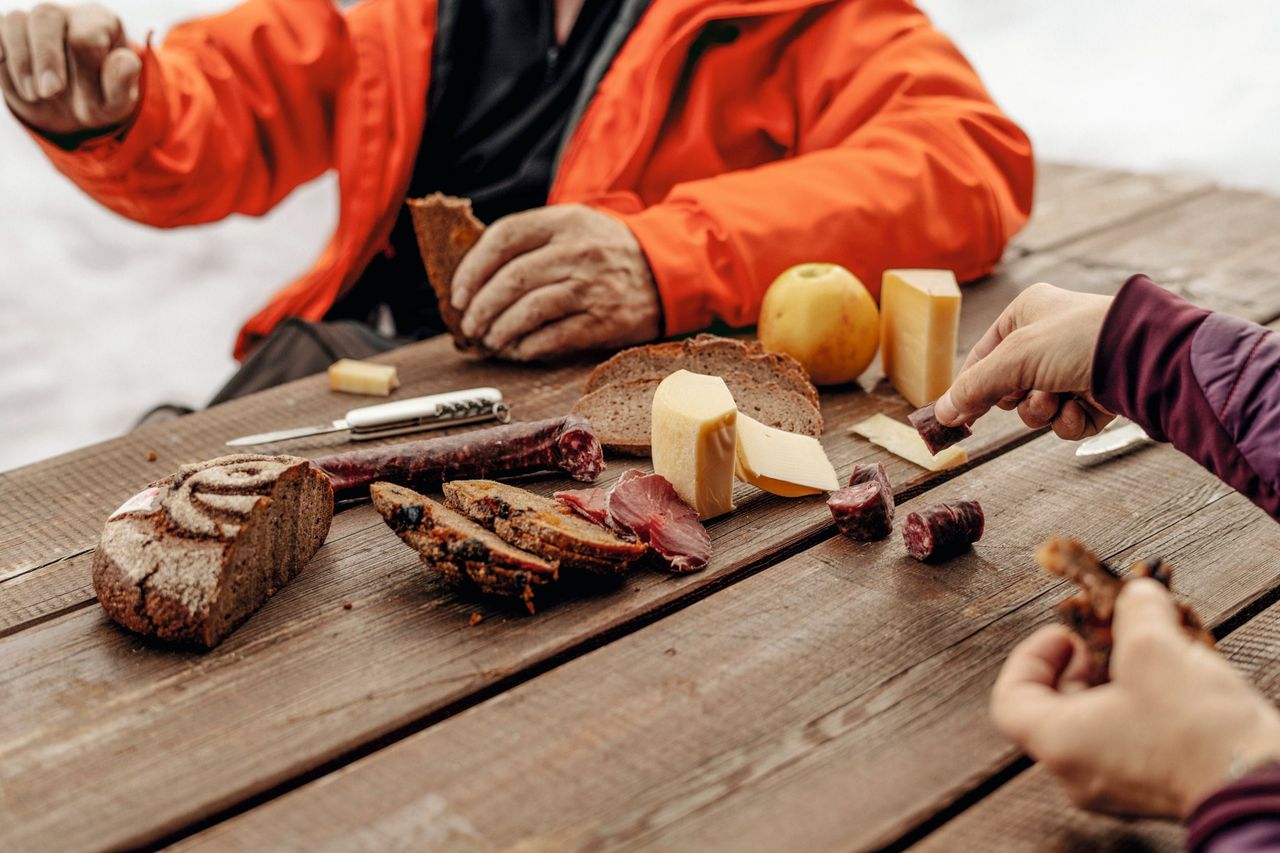
You've probably been wondering when we would mention Swiss cheese, right? Well, now is the time. There are over 450 different types of cheese in Switzerland. As you can imagine, this goes far beyond those holey cheddar slices. Or whatever is sold as "Swiss cheese" these days...
If you're interested in how Swiss cheese is made and where you can watch the cheese production, then check out our article on the cheesemakers of Switzerland.
… and chocolate
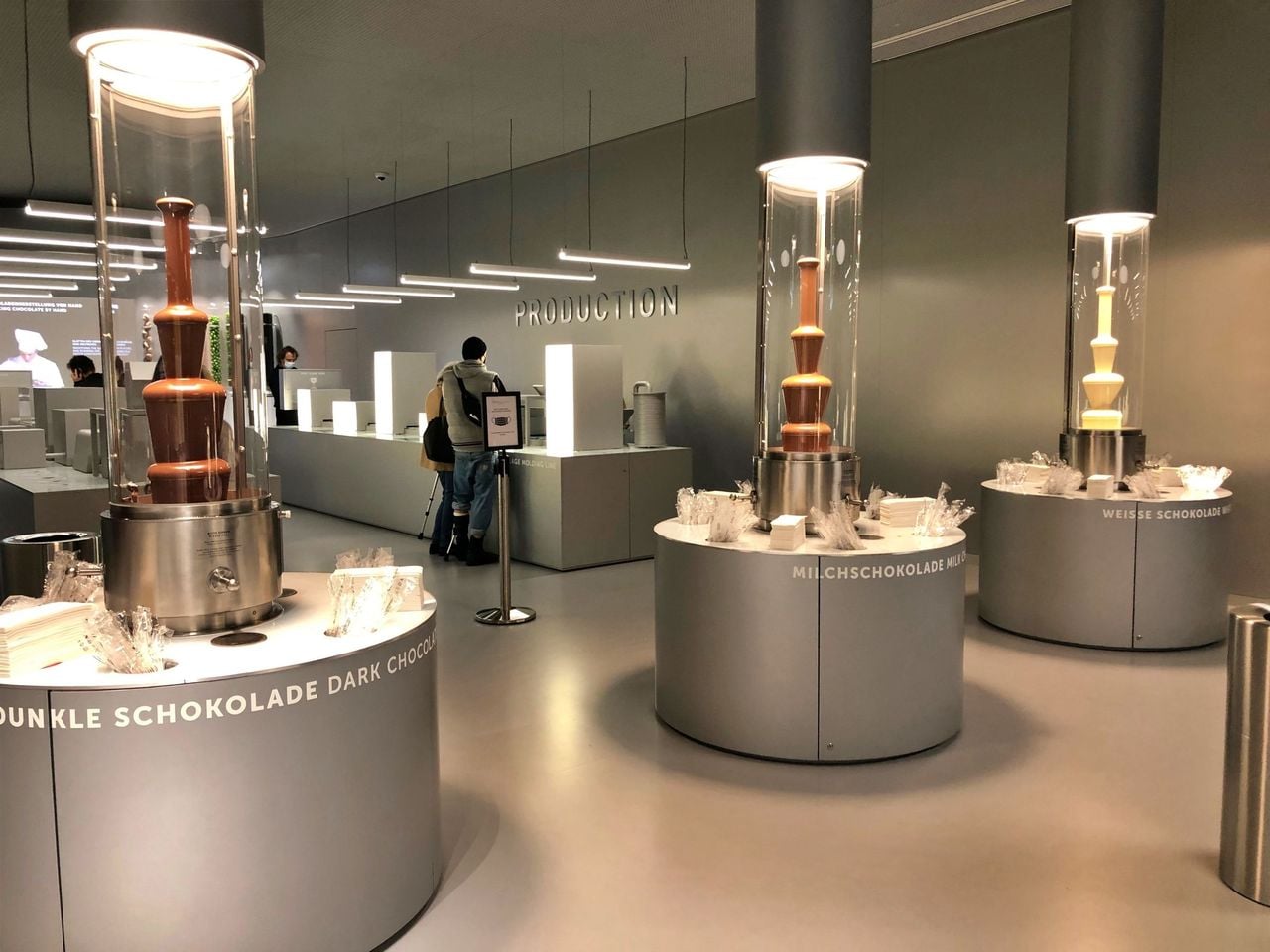
Just like the Swiss love their cheese, they also adore their chocolate. So much so that they consume over 10 kg per person each year. It's no wonder that visiting a chocolate factory in Switzerland is a very popular pastime. After all, it's the country where milk chocolate was invented.
To learn more about Swiss chocolate and see where it's made, check out our article on Swiss chocolate factories.
… and watches
Punctuality is something the Swiss take pride in. At least the majority do. This might have something to do with the rich history of the Swiss watch industry. Cities like Geneva, Neuchâtel, La Chaux-de-Fonds, and others in western Switzerland have played a major role in shaping the Swiss watch industry into what it is today.
Some of the most well-known names, like Rolex, Patek Philippe, Zenith, TAG Heuer, Swatch, Omega, Breitling, and IWC, come from Switzerland. By the way, there are numerous watch museums throughout Switzerland if you're interested. For example, the Zenith watch manufacture in Le Locle.
Switzerland is a Land of Trains
With over 5,300 kilometers of railway, Switzerland is a country of train travelers. No other nation in Europe covers as many kilometers by train as the Swiss do. This isn't surprising, given that Switzerland boasts one of the densest railway networks in the world. If you want to learn more about public transportation in Switzerland, check out our article on the topic.
Switzerland Has a Square Flag
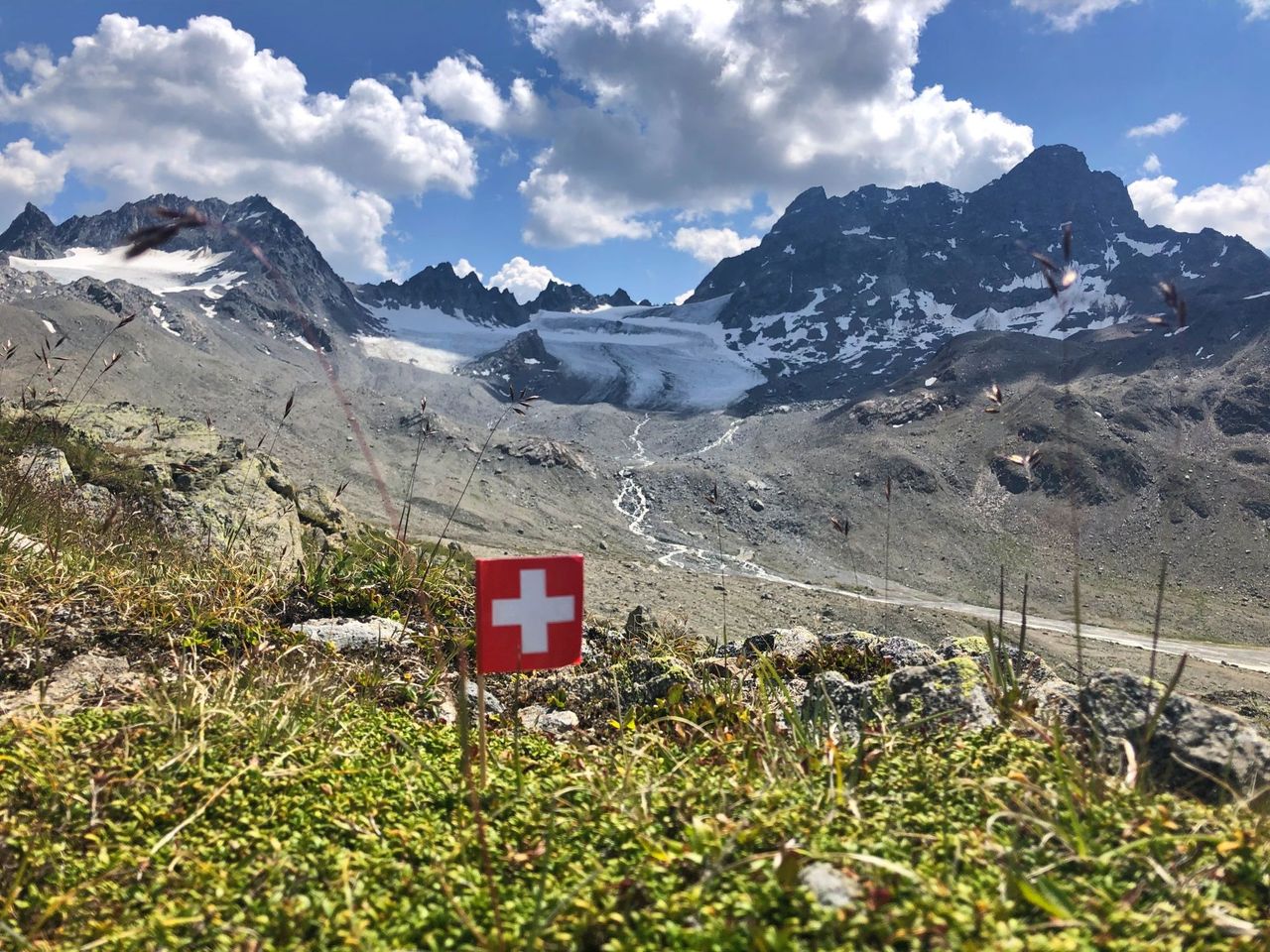
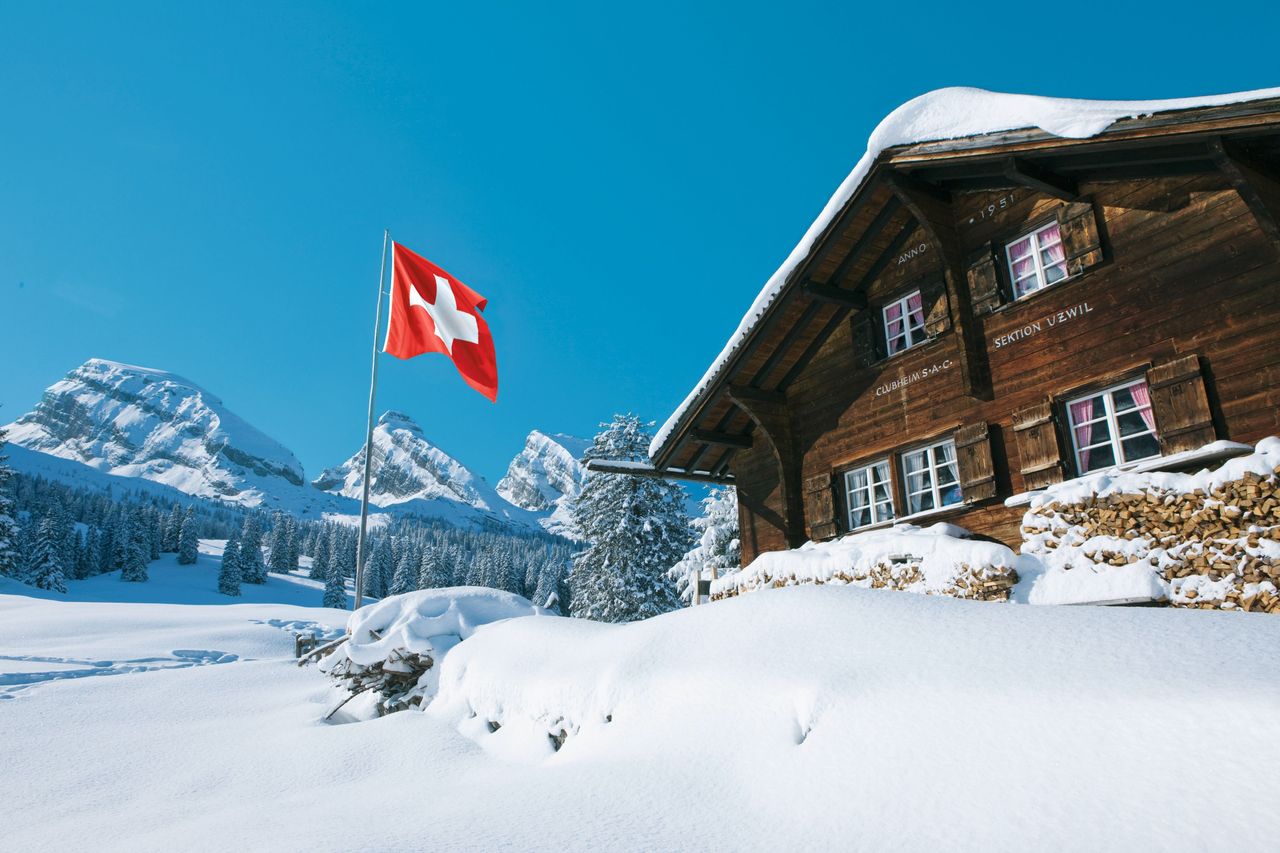
Aside from the Vatican City, Switzerland is the only country in the world with a square flag. The reason for this can be traced back to history. As early as the 14th century, Swiss soldiers used the white cross on a square red background to identify each other on the battlefield. This symbol persisted, and in 1848 the white cross on a red background became the official Swiss flag.
Switzerland has the world's most valuable banknote
No other banknote in the world is worth more than the purple CHF 1,000 note. It is not, however, a common form of payment that you are likely to come across in everyday life. Many people use it to store cash in a safe or to pay large sums in cash. You can use a CHF 1,000 note to pay for your shopping, but do not expect the transaction to be as straightforward as paying with a CHF 100 note. The cashier often has to get change from the safe, and the note is checked to make sure it is genuine.
More than half of Switzerland is made up of mountains
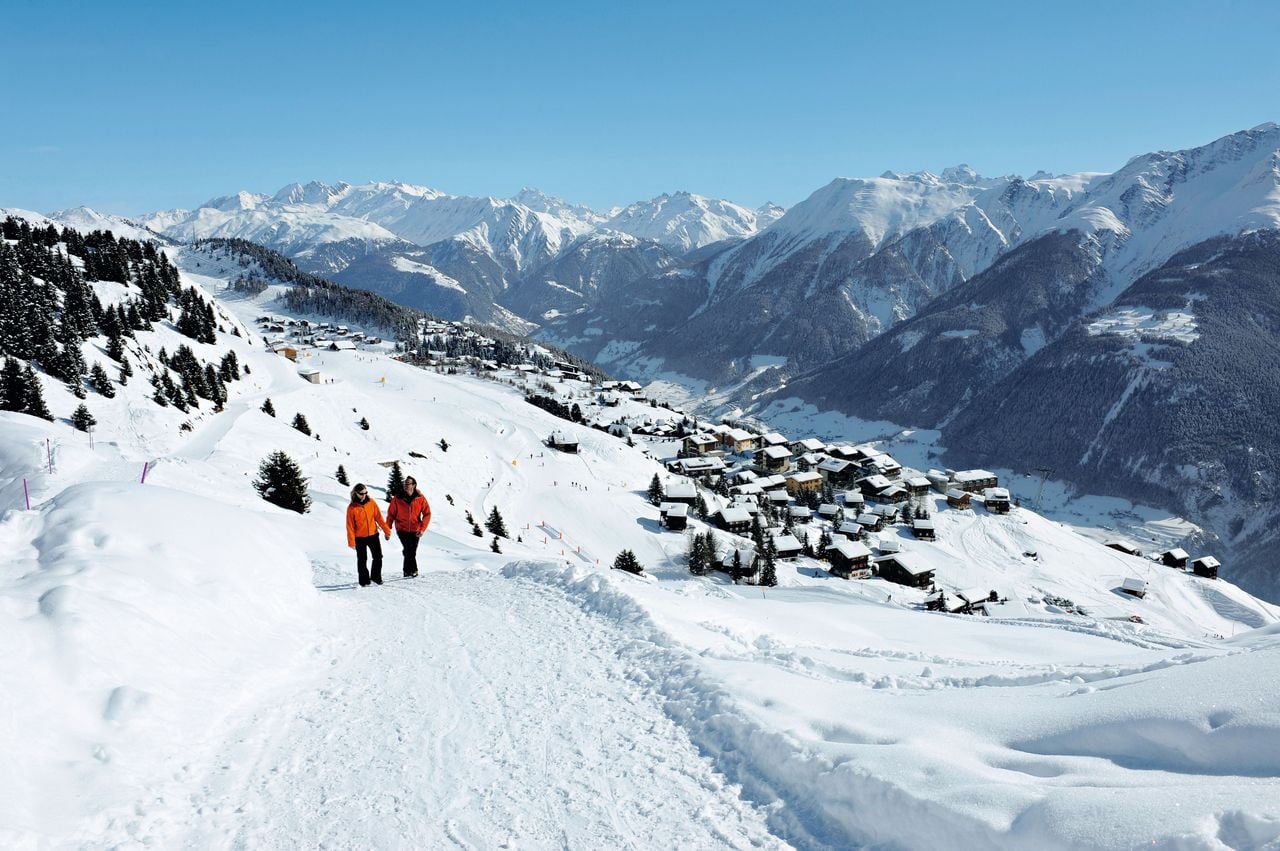
The Alps cover a full 60% of the country. The Jura Mountains add another 10%. This means that just over three quarters of Switzerland is mountainous, although only one tenth of the population lives there.
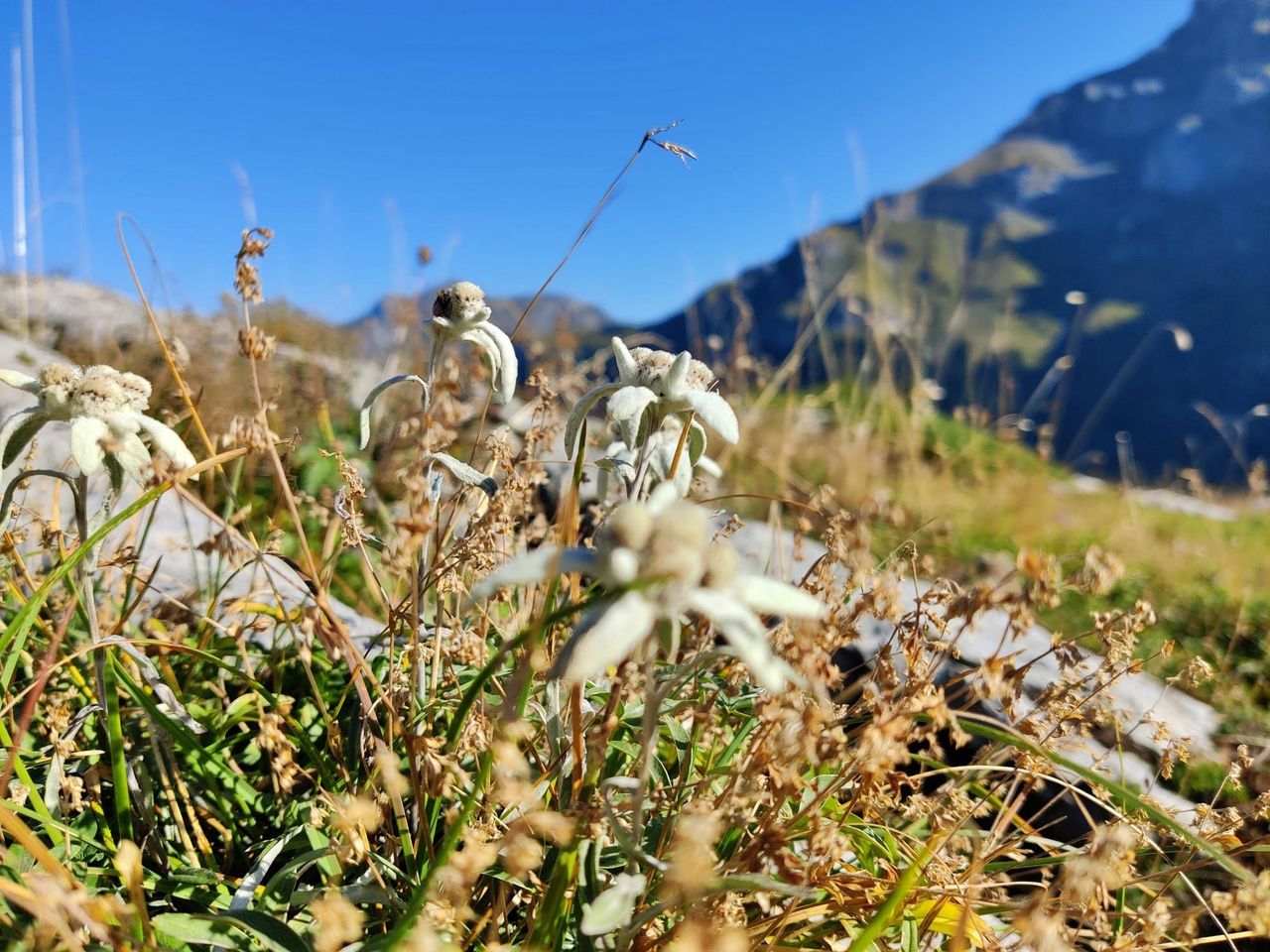
With their natural beauty and abundance of wildlife, the mountain regions are hugely important to Swiss tourism. They are home to endangered animal species and some rare alpine plants. With a bit of luck, you might spot the iconic edelweiss, a symbol of Switzerland.
48 Swiss peaks are over 4,000 metres high
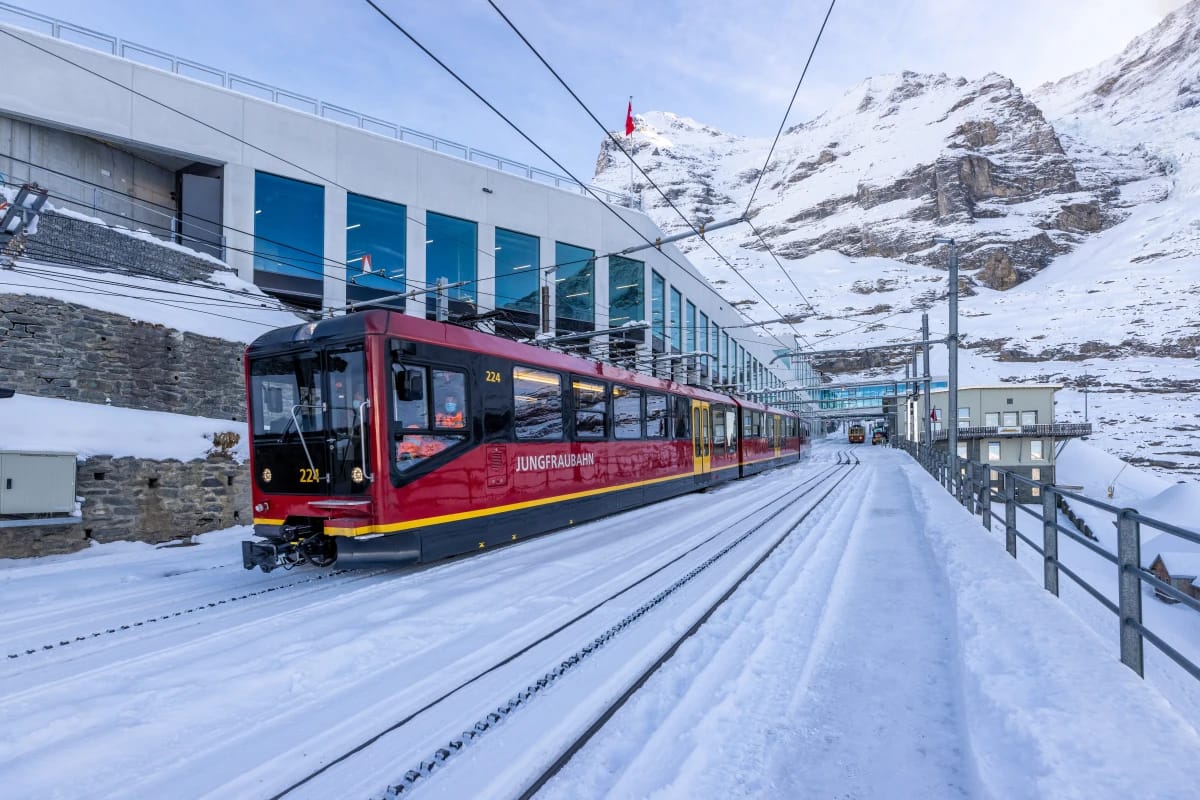
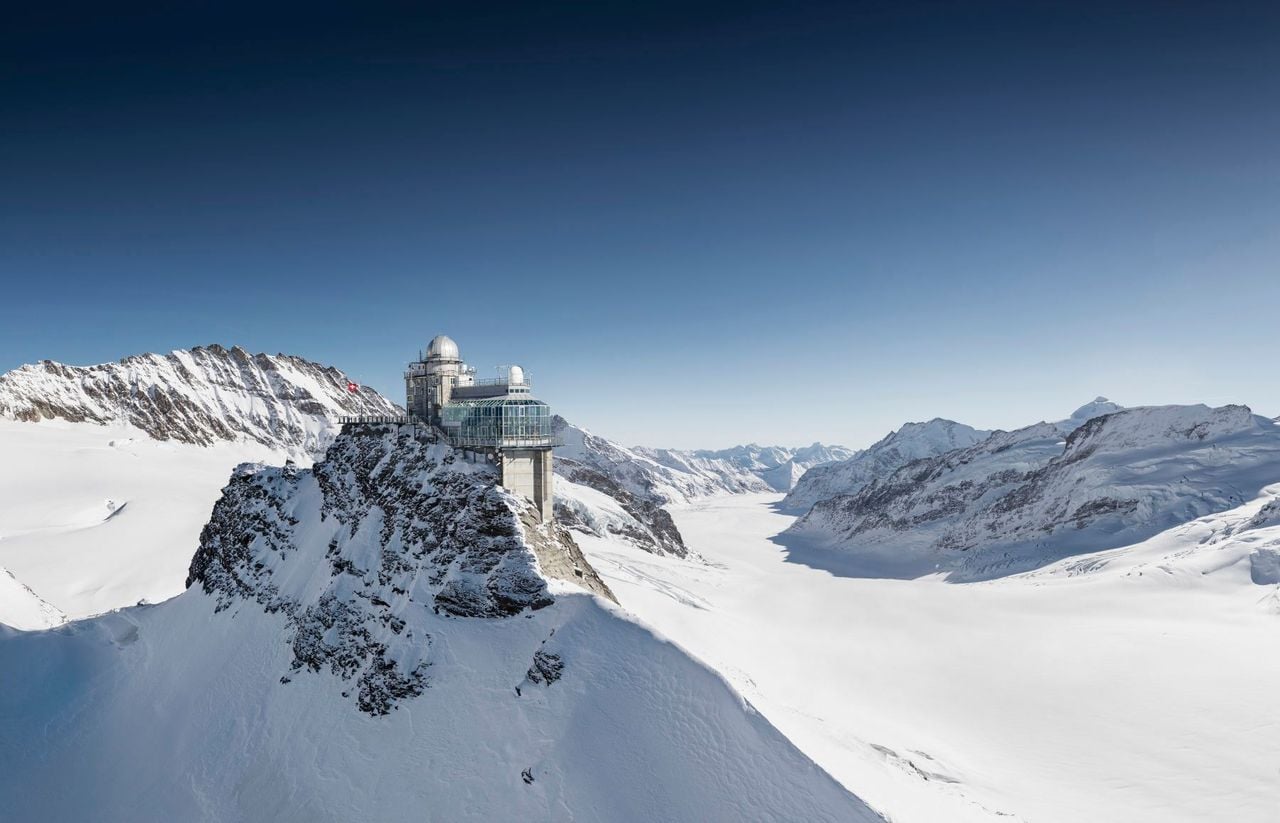
Switzerland has a huge range of high peaks. More than 2,000 mountains are over 2,000 metres high. Just over 1,000 rise above 3,000 metres, and almost 50 peaks top the 4,000-metre mark. At 3,454 m above sea level, Jungfraujoch is home to Europe's highest railway station.
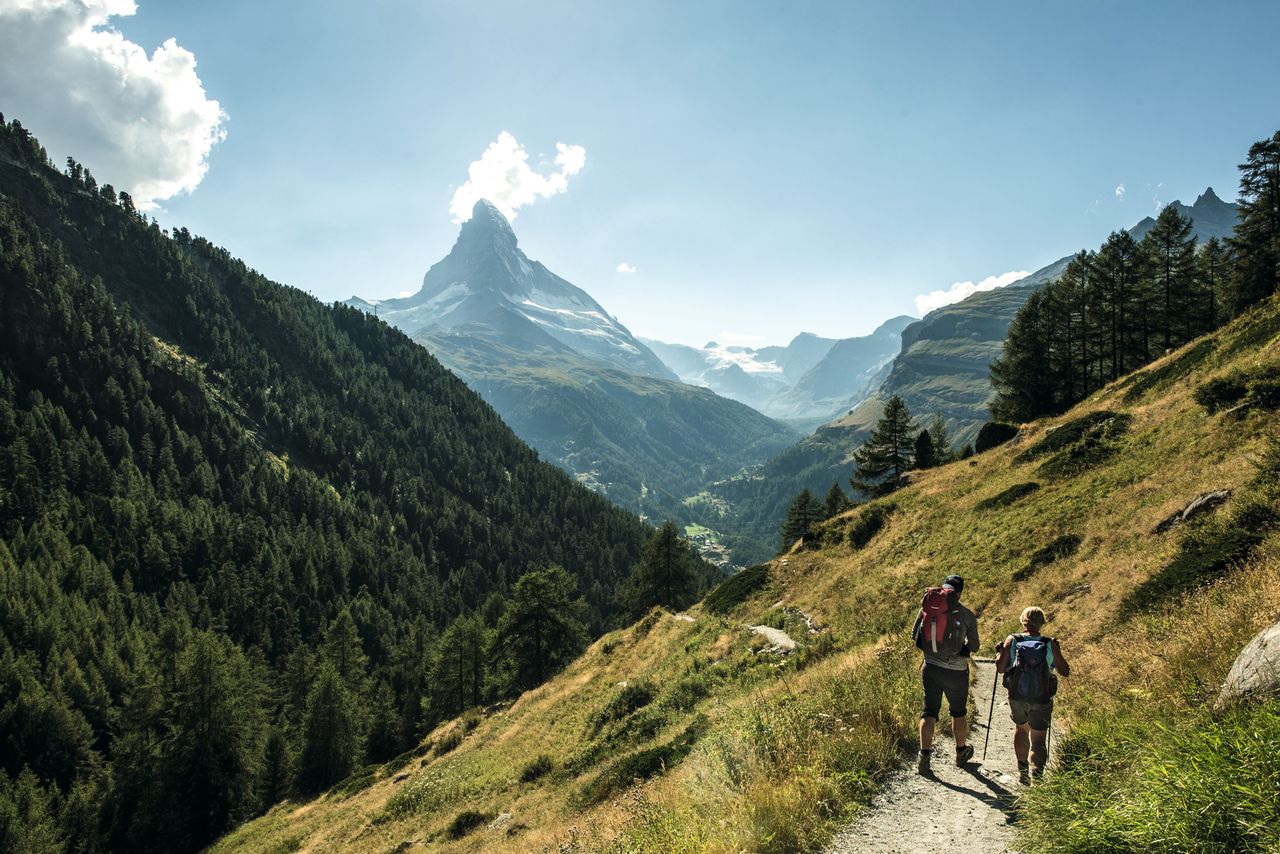
The Matterhorn ranks among the world's 10 most dangerous mountains because of its fatality rate. The nearly 4,000-metre-high Eiger is another, with its steep 1,800-metre north face.
Here are the ten highest Swiss peaks over 4,000 metres:
| Rank | Peak | Height | Canton |
|---|---|---|---|
| 1 | Dufourspitze | 4,634 m above sea level | Valais |
| 2 | Dom | 4,545 m above sea level | Valais |
| 3 | Liskamm | 4,527 m above sea level | Valais |
| 4 | Weisshorn | 4,505 m above sea level | Valais |
| 5 | Matterhorn | 4,478 m above sea level | Valais |
| 6 | Dent Blanche | 4,357 m above sea level | Valais |
| 7 | Grand Combin | 4,314 m above sea level | Valais |
| 8 | Finsteraarhorn | 4,274 m above sea level | Bern/Valais |
| 9 | Zinalrothorn | 4,221 m above sea level | Valais |
| 10 | Alphubel | 4,206 m above sea level | Valais |
Europe's longest glacier is in Switzerland
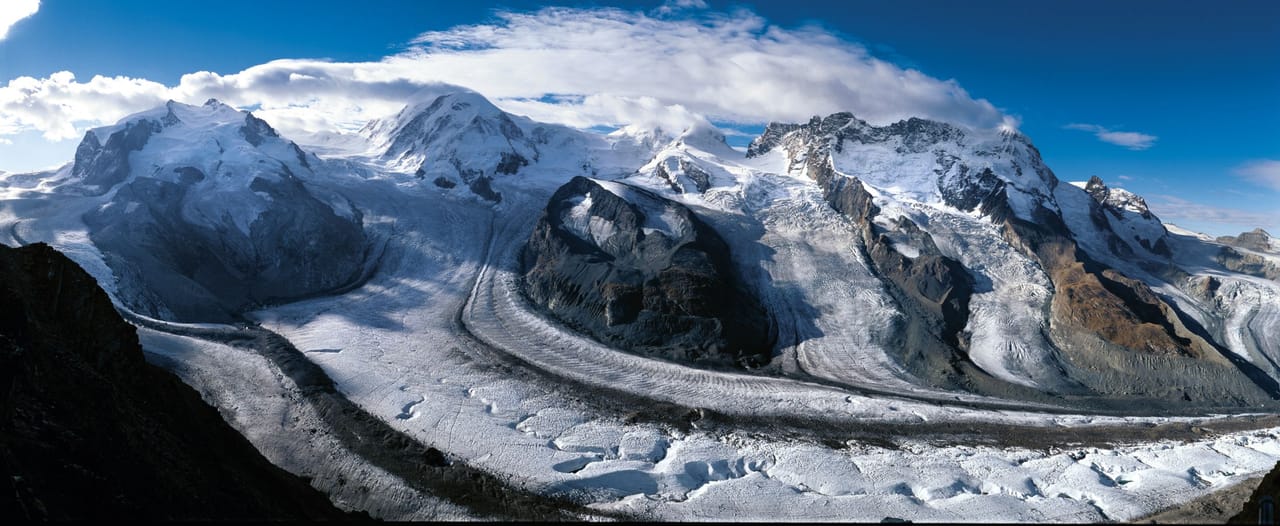
At 23 km long, the Aletsch Glacier in the canton of Valais is Europe's longest glacier. This giant mass of ice and rock winds its way through breathtaking high-alpine scenery between the Eiger, Mönch and Jungfrau massifs. At the heart of the Alps, it forms part of the largest contiguous glaciated area on the continent.
The giant Aletsch Glacier is melting away — a stark sign of climate change. In 80 years, small glaciers will have disappeared and larger ones will have lost mass. This Swiss natural site, part of a UNESCO World Heritage Site, faces major challenges.
Switzerland has 13 UNESCO World Heritage Sites
Unique natural and cultural treasures are protected for all humanity. That is the idea behind the UNESCO World Heritage List, which includes around 1,200 selected sites in almost 170 countries. Switzerland has 13 UNESCO World Heritage Sites.
| No. | World Heritage Site | Inscribed | Type |
|---|---|---|---|
| 1 | Old City of Berne | Inscribed on the World Heritage List in 1983 | Cultural heritage |
| 2 | Benedictine Convent of St John at Müstair GR | Inscribed in 1983 | Cultural heritage |
| 3 | Abbey of St Gall | 1983 | Cultural heritage |
| 4 | Three Castles, Defensive Wall and Ramparts of the Market-Town of Bellinzona | 2000 | Cultural heritage |
| 5 | Swiss Alps Jungfrau-Aletsch | 2001, 2007 | Natural heritage |
| 6 | Monte San Giorgio | 2003, 2010 | Natural heritage |
| 7 | Lavaux, Vineyard Terraces | 2007 | Cultural heritage |
| 8 | Swiss Tectonic Arena Sardona | 2008 | Natural heritage |
| 9 | Rhaetian Railway in the Albula/Bernina Landscapes | 2008 | Cultural heritage |
| 10 | La Chaux-de-Fonds / Le Locle, Watchmaking Town Planning | 2009 | Cultural heritage |
| 11 | Prehistoric Pile Dwellings around the Alps | 2011 | Cultural heritage |
| 12 | The Architectural Work of Le Corbusier | 2016 | Cultural heritage |
| 13 | Ancient and Primeval Beech Forests of Europe | 2021 | Natural heritage/extension |
Switzerland is Europe's water tower
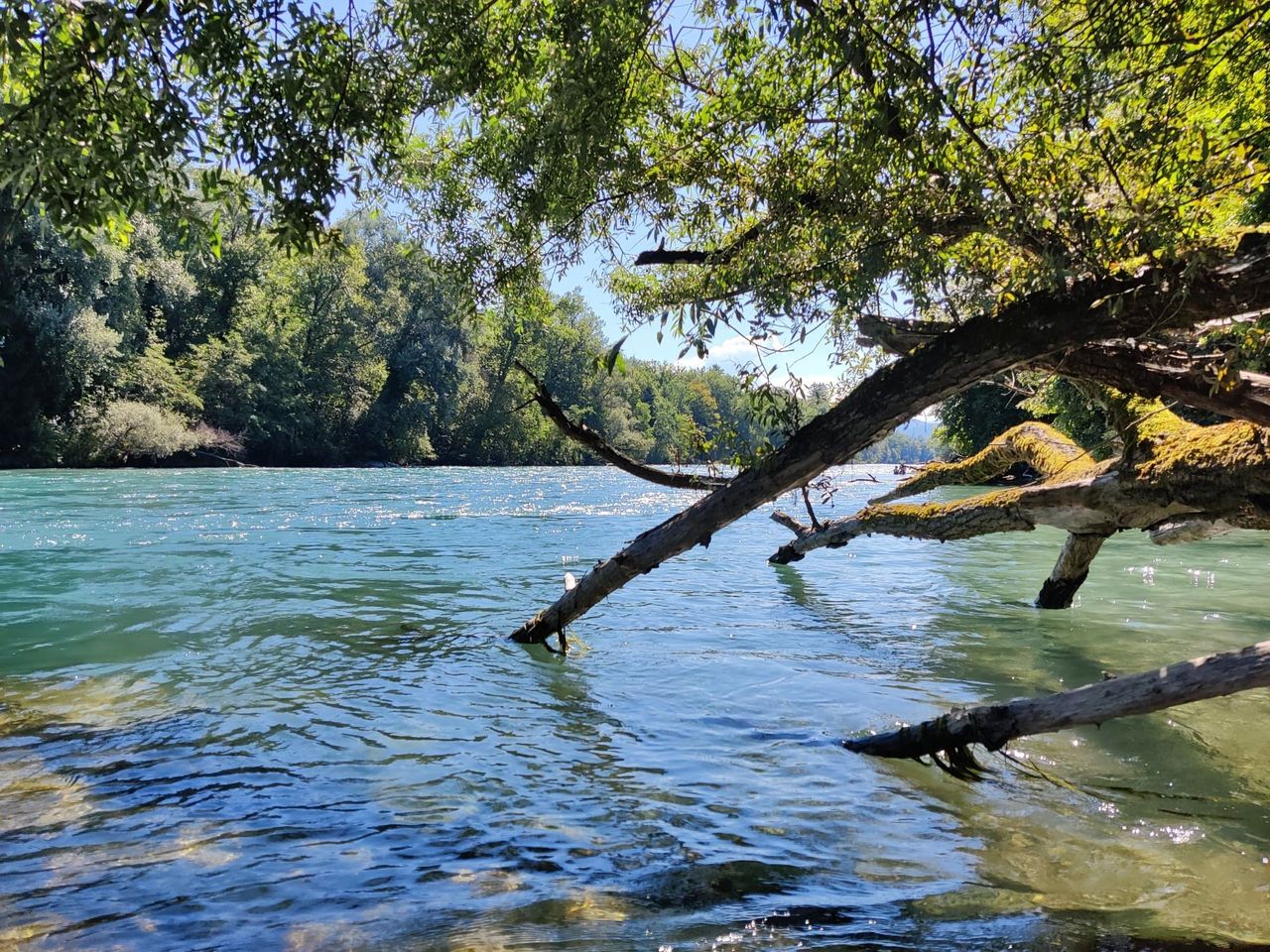
More than 1,500 lakes and 60,000 km of rivers and streams bring precious water to much of Switzerland. Six per cent of Europe's drinking water comes from this Alpine country. Springs here feed major rivers such as the Rhine, Rhône and Inn, and supply the Po Valley. This natural reservoir makes one thing clear: Switzerland is Europe's water tower.
It all starts in the Swiss Alps. Bubbling springs, abundant rainfall and plenty of snowmelt provide a wealth of water. In summer, lakes, rivers and streams are always close by when you're ready for a swim.
Switzerland specialises in tunnels
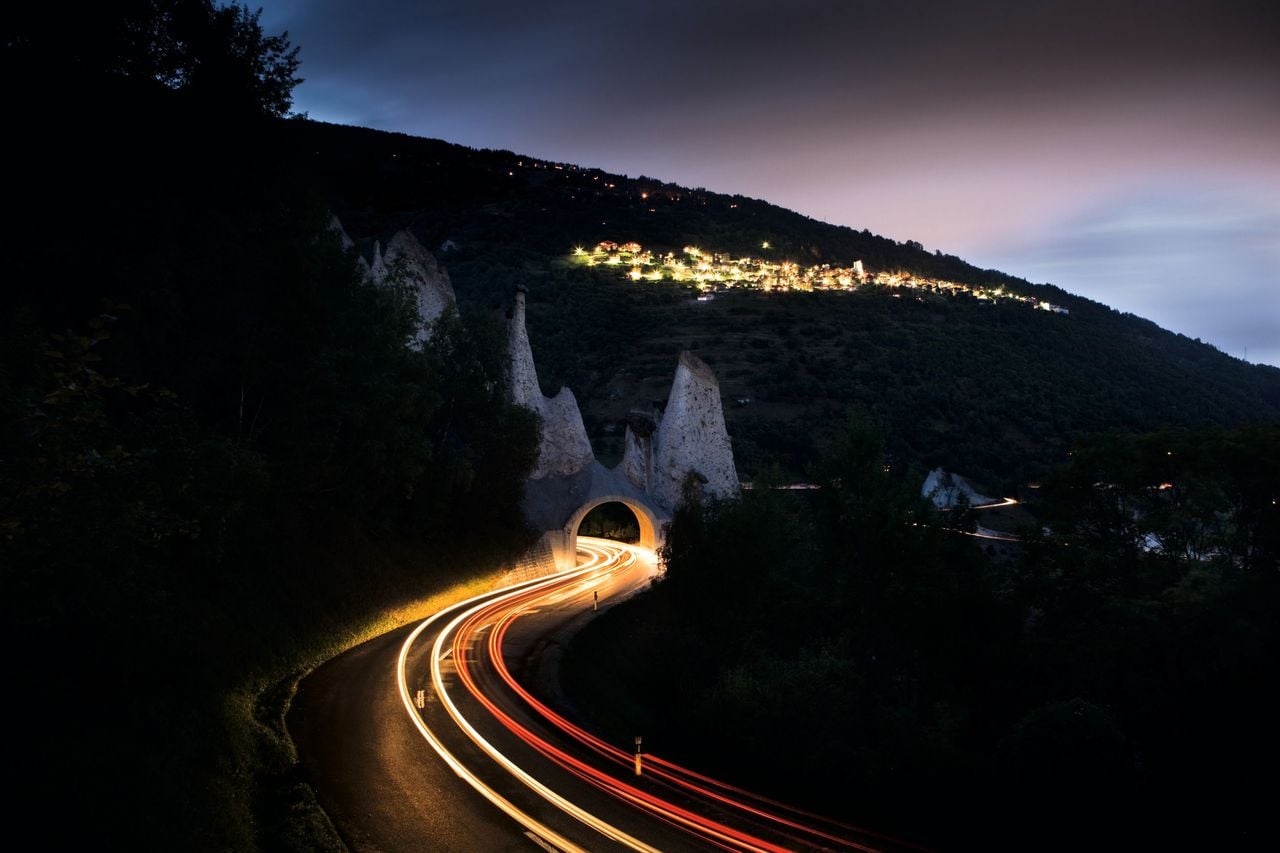
Switzerland is a nation of tunnels. In 1707, Ticino engineer Pietro Morettini built the first transport tunnel, the Urnerloch. Since then, more than 1,300 tunnels have been built, spanning a total of 2,000 km of roads and railways.
Swiss engineers are renowned for their tunnel-building skills. Since 2016, the world's longest railway tunnel has run 57 km through the Gotthard massif. The figures behind the Gotthard Base Tunnel are impressive: 2,400 workers, 17 years of construction and costs of CHF 11 billion. Every day, 260 freight trains and 65 passenger trains pass through it.
Some of the 28 million m³ of excavated rock has been recycled as railway ballast or concrete aggregate. As you travel through the tunnel, you can see some of it again in the shotcrete lining of the inner vault. Switzerland specialises in recycling tunnels, too.
Switzerland has seven heads of state
Switzerland is the country of seven heads of state and therefore seven heads of government. The seven members of the Swiss Federal Council jointly serve as head of state, acting as a collegiate body. Each year, a different member of the Federal Council takes on the role of President of the Swiss Confederation. The role involves representative duties and chairing certain meetings. Otherwise, the President has the same standing as the other members of the Federal Council. The seven-member Federal Council is a strong collegiate body. Each member represents its decisions, even when they do not reflect their own views or their party’s position. As you can see, consensus and collegiality are a Swiss speciality.
Switzerland has 26 cantons
The Confederation took shape in stages as sovereign territories joined together. That is why Switzerland has 26 cantons. Even today, each has its own constitution, laws, government and police force. In a very small area, you’ll find 26 school systems with different holiday calendars and timetables.
At first, the Swiss cantons were states with their own currency and armed forces. In the 19th century, they came together to form a confederation, and eventually today’s federal state.
Here’s a list of the individual cantons, their year of accession and some useful facts:
| Canton | Joined | Special feature |
|---|---|---|
| Zurich | 1351 | largest canton by population: 1.5 million inhabitants |
| Bern | 1353 | |
| Lucerne | 1332 | |
| Uri | 1291 | |
| Schwyz | 1291 | |
| Obwalden | 1291 | |
| Nidwalden | 1291 | |
| Glarus | 1352 | |
| Zug | 1352 | |
| Fribourg | 1481 | |
| Solothurn | 1481 | |
| Basel-City | 1501 | smallest canton by area: 37 km² |
| Basel-Country | 1501 | |
| Schaffhausen | 1501 | |
| Appenzell Ausserrhoden | 1513 | |
| Appenzell Innerrhoden | 1513 | smallest canton by population: 16,000 inhabitants |
| St Gallen | 1803 | |
| Grisons | 1803 | largest canton by area: 7,105 km² |
| Aargau | 1803 | |
| Thurgau | 1803 | |
| Ticino | 1803 | |
| Vaud | 1803 | |
| Valais | 1815 | |
| Neuchâtel | 1815 | |
| Geneva | 1815 | |
| Jura | 1979 |
The Swiss vote four times a year
In many countries, voters are only allowed to go to the polls every four or five years. The Swiss vote four times a year - a consequence of direct democracy. As the highest political authority, the Swiss people has the final say on substantive issues.
Citizens have a say in the affairs of state through referendums and popular initiatives. Until 2041, the Federal Chancellery has already planned one vote per quarter. Voting days are scheduled for February/March, May/June, September/October or November. The contents of the vote, which will gradually emerge from everyday political life, remain open.
Life expectancy is high in Switzerland
Although the elixir of life does not (yet) exist, life expectancy in Switzerland is constantly increasing. The average life expectancy for men is currently 82 years, for women it is 86 years. In 1900, the life span was 46-49 years, with hardly anyone reaching the age of one hundred. The main reasons for the high life expectancy are: minimal infant mortality, good nutrition, better living and hygiene conditions, and modern medicine.
Rising life expectancy is putting pressure on the national pension system. Fewer and fewer working people are shouldering the increasing number of pension beneficiaries. Nevertheless, you are left with the certainty that high life expectancy is a great achievement of our time.
Unemployment in Switzerland is low
The unemployment rate in Switzerland is low and has reached record lows. With its low number of unemployed, Switzerland ranks first. Strong EU countries have double the unemployment rate, while the EU's laggards exceed 15%. You might wonder why? Certainly, the robust Swiss economy and smart economic policies play a role.
In Switzerland, employment offices assist unemployed individuals in their job search and fund further education. The Swiss embody values like work ethic, reliability, responsibility, and education. In one of the world's most innovative countries, economic life thrives practically without unemployment.
The Lord of the Rings was inspired by Switzerland
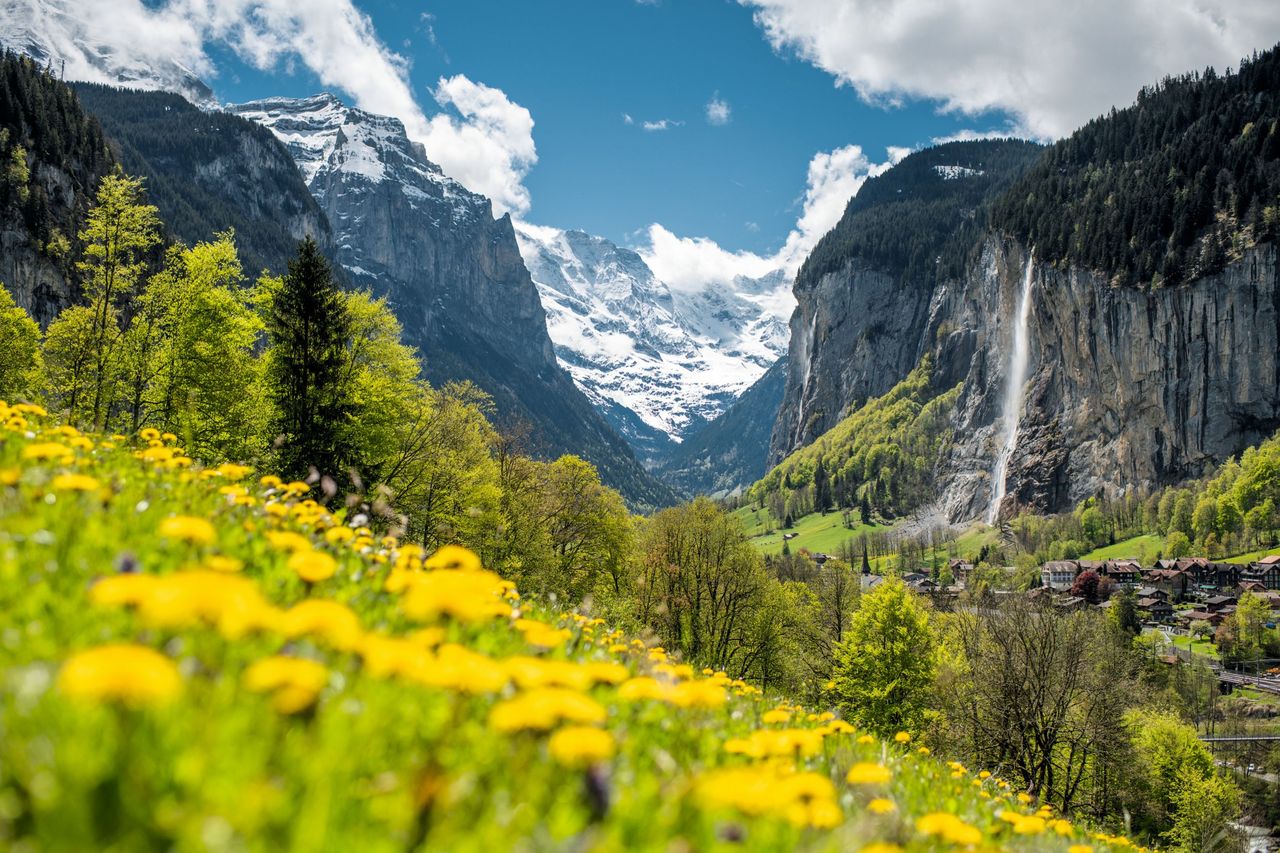
A young Englishman went on an Alpine tour through Switzerland in 1911. He was the famous writer J.R.R. Tolkien (1892-1973), author of the worldwide hit “The Lord of the Rings.” Inspired by the Swiss mountains, he created the home of the Elves and Hobbits. The Berner Silberhorn is seen as the model for the misty mountain “Celebdil.” In Interlaken by Lake Brienz, you find the “Lake City” assaulted by the dragon “Smaug.”
If you look at the Matterhorn, you recognize “Erebor,” the home mountain of the Dwarves. “They know that there would have never been a Hobbit without Switzerland,” says the founder of the world's largest Middle-earth museum in Graubünden's Jenins. True fans don't shy away from the mandatory advance registration. In return, you get an expert tour through Tolkien’s legendary magical world.
Charlie Chaplin died in Switzerland
In "Chaplin’s World," you can expect a unique museum experience. The "Manoir de Ban" in Vevey houses the life's work of Sir Charles Spencer Chaplin (1889 - 1977). This mansion was where the film legend spent his last 25 years. The cinema's first global star enjoyed being able to move around Switzerland without disturbance. He loved outings and often walked with his children to dinner in Vevey. Charlie Chaplin passed away at the age of 88 in Switzerland.
The (current) Internet was invented in Switzerland
Our ubiquitous World Wide Web was born at the Swiss research institute CERN near Geneva. CERN is one of the world's most significant centers for fundamental physics research. We owe today's Internet to the intellectual fathers and inventors Tim Berners-Lee and Robert Cailliau from CERN. You can read more about the inventions of Switzerland in our article on this topic. At the turn of the new millennium, humanity entered a new era. On November 13, 1990, CERN made the first website available online through its own web server: info.cern.ch. The world as we knew it changed fundamentally.
James Bond's mother is Swiss
Agent 007, aka James Bond, is Ian Fleming's famous literary character, thus a fictional person. According to sparse details from the novels, James is the son of a Scottish engineer and the Swiss woman Monique Bond, née Delacroix. A Swiss mountaineer. In real life, her name was Monique Panchaud de Bottens. She was attractive and was engaged to Ian Fleming for a while. Fleming referred to her as the Coco Chanel of Switzerland.
The Dalai Lama owns a vineyard in Switzerland
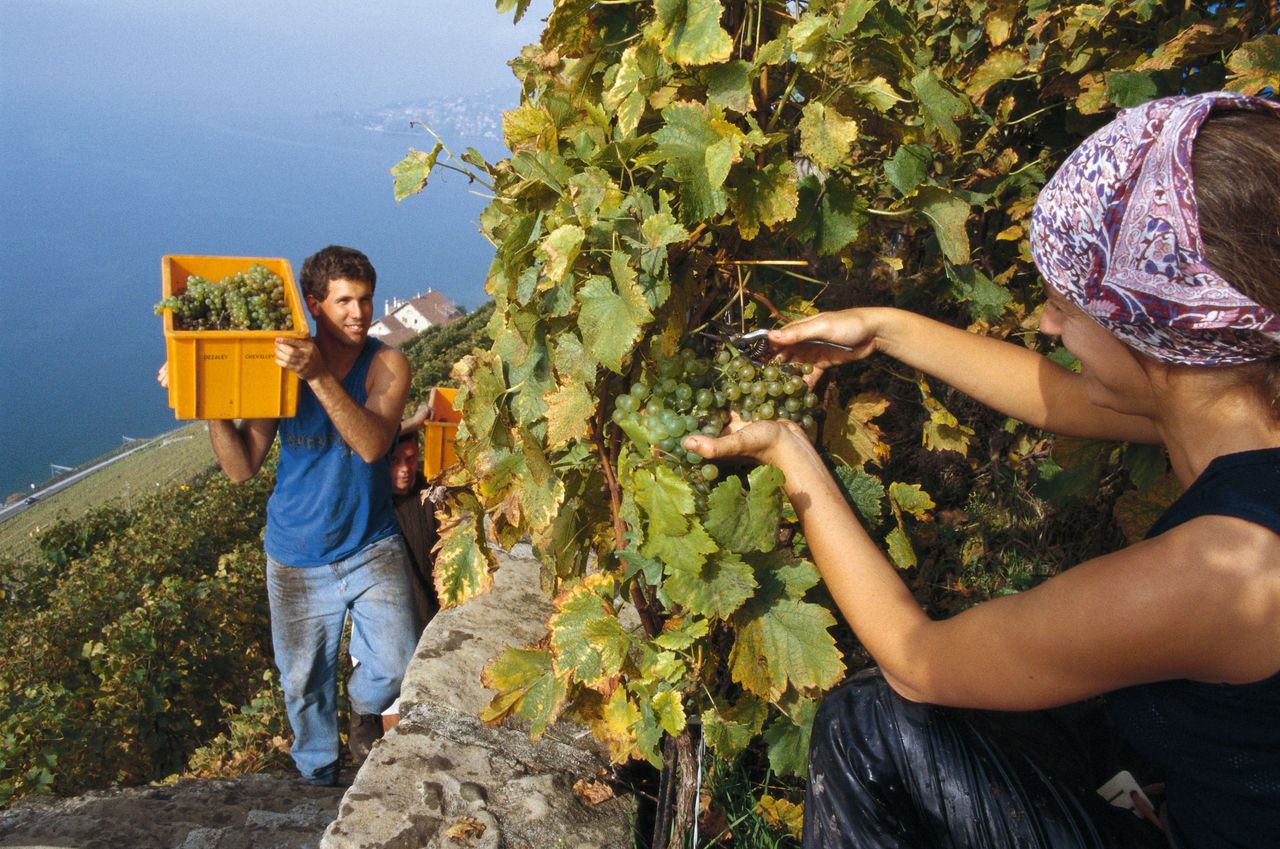
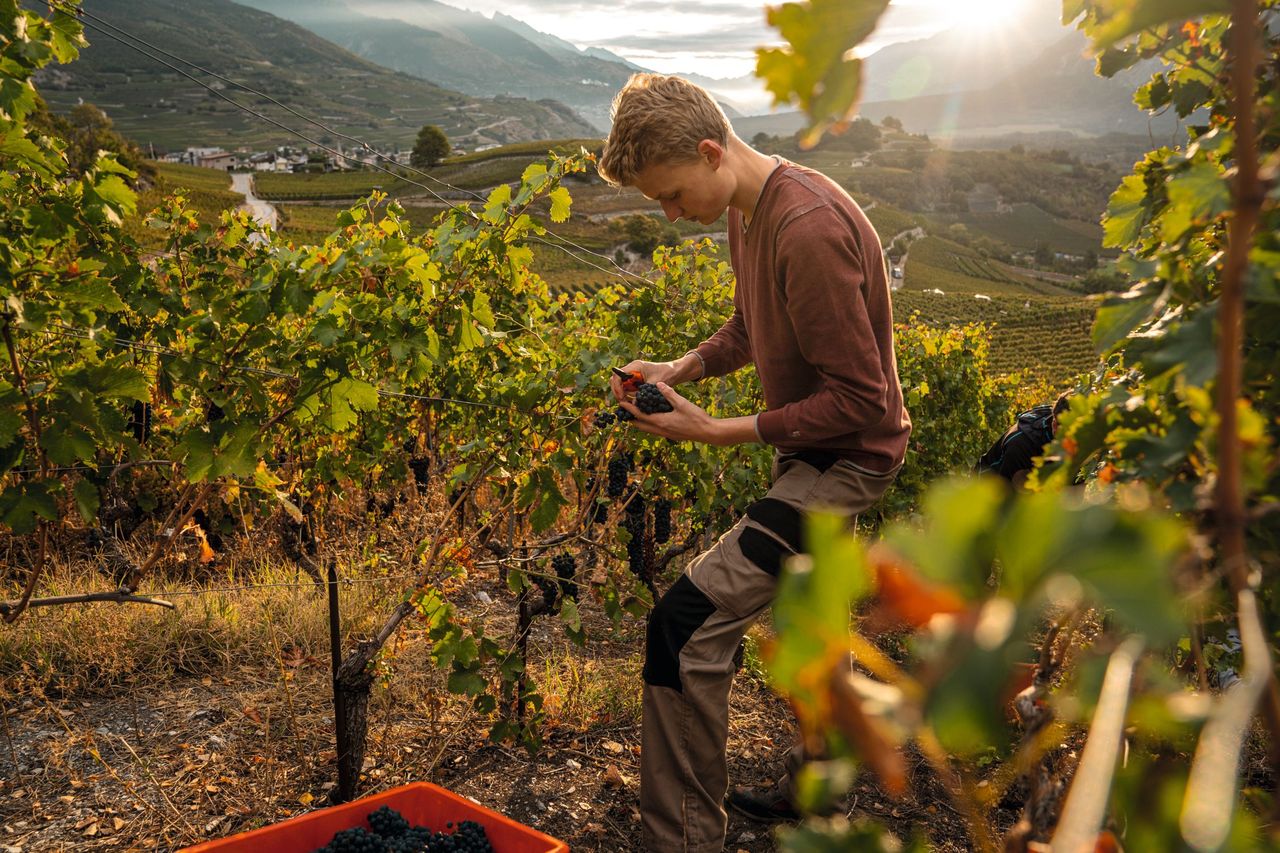
In the Valais village of Saillon stands the smallest vineyard in the world, looking like a spread-out towel. This 1.6 m2 piece of land with just four vine stocks belongs to the Dalai Lama. He became the vineyard owner in 1999 when the Catholic Abbé Pierre gave him this plot. Twenty years prior, it was established in honor of Joseph-Samuel Farinet, the "Robin Hood of the Alps," who helped the poor with counterfeit money in the 19th century.
Once a year, the Tibetan leader auctioned off 1000 bottles of "Peace Wine." The few deciliters from the tiny vineyard are supplemented by neighboring winemakers with their grapes. With the approximately 20,000 Swiss francs raised from the auction, the Dalai Lama helps those in need around the world. Thus, he is the smallest landowner in Switzerland.
The Red Cross was founded in Switzerland
In 1859, the Geneva businessman and humanitarian Henry Dunant (1828-1910) witnessed the Battle of Solferino. The suffering was immense, deeply affecting the devout Dunant. A decisive phrase began to circulate: "Siamo tutti fratelli" – "We are all brothers."
Whether friend or foe, the residents of the nearby city of Castiglione cared for all victims without regard to their identity. Dunant helpfully contributed on the front lines. His demand for multinational aid organizations became undeniable. In 1863, he presented his ideas for the "Society for Humanitarian Aid" in Geneva. This marked the birth of the International Committee of the Red Cross, now known as the ICRC.
The resemblance of the Red Cross emblem to the Swiss flag was not coincidental. Geneva became and remains the headquarters of the ICRC. To this day, the ICRC's missions have multiplied worldwide in over 100 countries. The number of staff has risen to about 20,000, and the number of volunteers has climbed to over 10 million. In 1901, Swiss Henry Dunant, together with the French pacifist Frédéric Passy, received the first Nobel Peace Prize.
Guinea pigs are not allowed to live alone in Switzerland
“Popcorning” is what the joyful leaps of a happy guinea pig are called. When they’re excited, they leap about like kernels of corn in a hot pan. The Swiss Animal Welfare Act gives us another reason to celebrate: “Animals of social species must be able to enjoy appropriate social contact with members of their own species.” Guinea pigs are definitely social animals.
They form friendships and look after old and sick members of their group. Our furry guinea pigs live in a harem if you let them. It’s also against the law to expose them to excessive noise — after all, they hear better than we do.
The same rule applies to animals such as pet birds, rats, mice, chinchillas and parrots.
You can’t give your child just any name
“A letter is not a first name,” said a Zurich court, “it’s nothing more than a parental gimmick.” The judges spared the unconsulted baby the single-letter name J. In Switzerland, all baby names must be approved by the civil registry office.
Making up names can be tricky. The child’s welfare is what matters, so bizarre or absurd names are considered an unreasonable imposition. A Swiss musician wasn’t allowed to name her daughter Lexicon. These names were also rejected:
- Biblical villains such as Cain or Judas
- Brands such as Chanel, Porsche or Bentley
- Boys’ names for girls, and vice versa
- Place names such as Paris, London or Tokyo
- Brand-new made-up names dreamed up by euphoric parents
Some US celebrity children would have different first names in Switzerland, then. Brad Pitt and Angelina Jolie’s choices would be scrutinised here: Maddox Chivan, Pax Thien, Zahara Marley, Shiloh Nouvel, Knox Léon and Vivienne Marcheline. Naming creativity may take a hit, but the children might thank us for it.
Europe’s highest railway station is in Switzerland
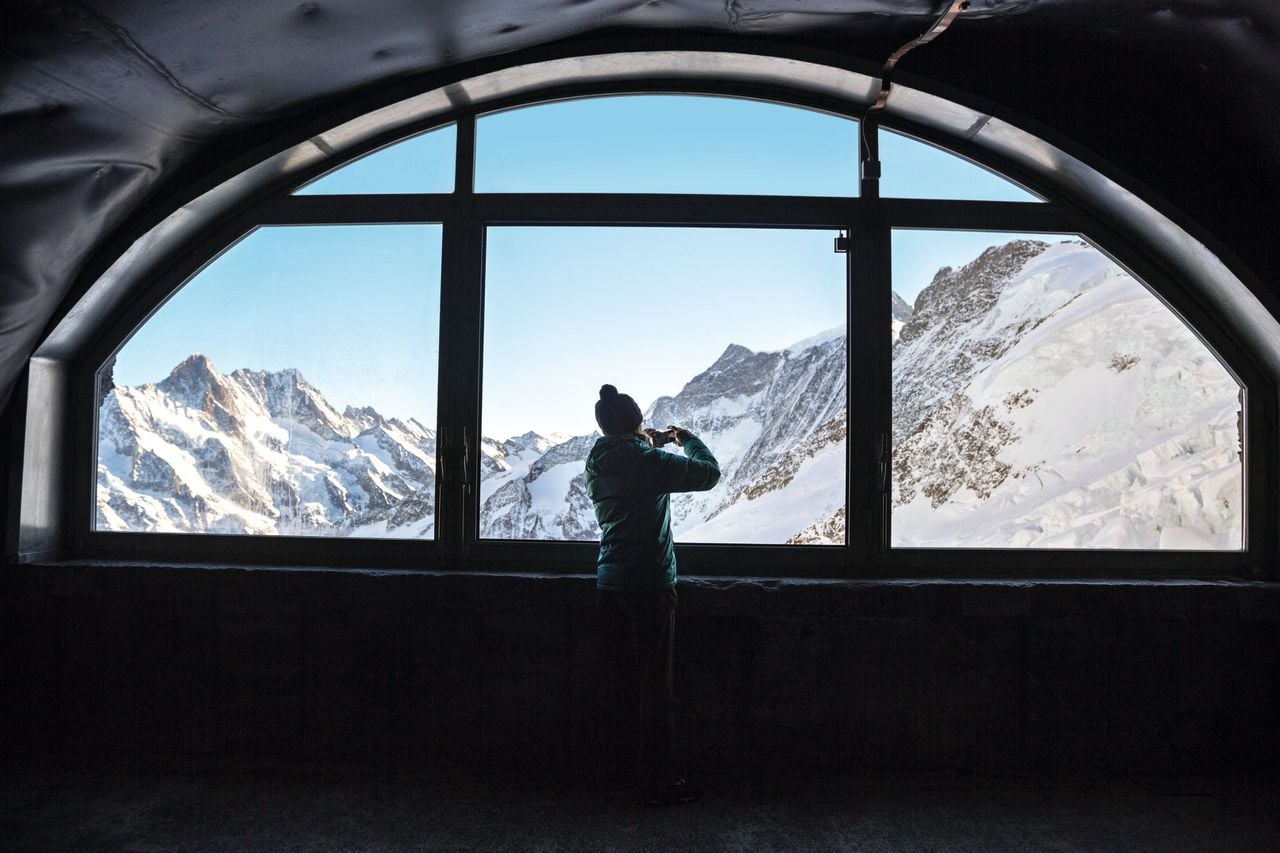
The terminus at Jungfraujoch, at an altitude of 3,454 m, is called Top of Europe. It’s the final stop on a spectacular railway line. Every year, one million visitors reach Europe’s highest railway station, at the end of a 7 km-long tunnel. In the late 19th century, countless workers spent 16 years literally blasting their way through the rock.
The Jungfrau Railway, built through the mountain massif by Swiss industrialist Guyer-Zeller, is considered a pioneering project and a technical masterpiece. Before then, the mountain had remained beyond the reach of the wider public, surrounded by the eternal snow and ice of the Bernese Alps. On the journey to Jungfraujoch, the train climbs 1,400 m, with stops along the way to help passengers acclimatise to the altitude.
Your ultimate Alpine adventure begins at Top of Europe. From the station platform, head to the viewing platform. The thin air and panoramic views of 200 Alpine peaks will take your breath away. You’ll be looking out over the Aletsch Glacier, the longest in Europe, in the heart of the Swiss Alps Jungfrau-Aletsch UNESCO World Heritage Site.
As well as Europe’s highest railway station, Switzerland boasts a whole host of other railway records:
| Record | Figure |
|---|---|
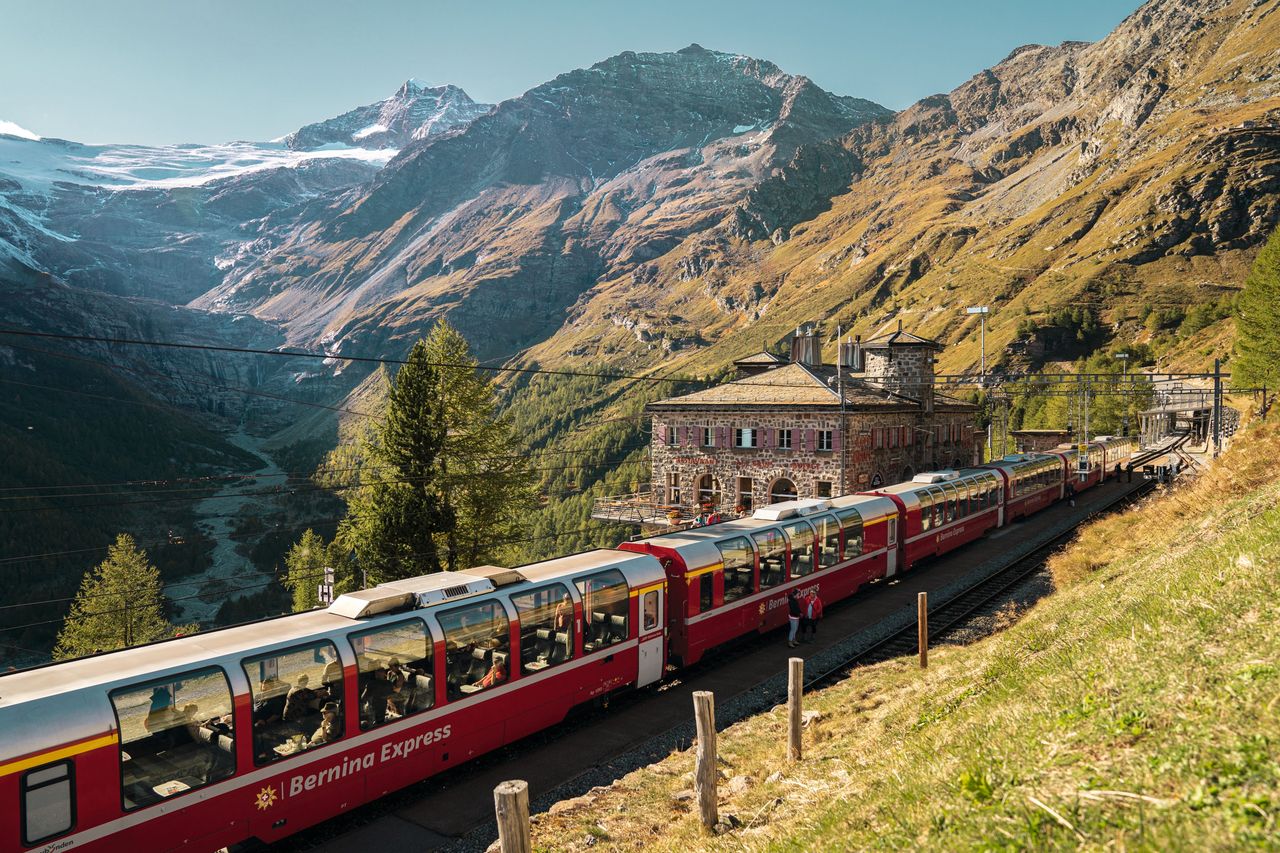
| Europe’s highest adhesion railway (not a rack railway): Bernina Railway over the Bernina Pass | 2,253 m above sea level |
| World’s longest railway tunnel: Gotthard Base Tunnel | 57 km long |
| World’s slowest express train: Glacier Express from St. Moritz to Zermatt | Average speed of 37 km/h |
| Europe’s oldest mountain railway: Vitznau-Rigi Railway | Opened in 1871 |
| Europe’s longest rack railway: Wengernalp Railway | 19 km long |
| World’s steepest rack railway: Pilatus Railway from Alpnachstad to Pilatus | 48% gradient |
| Europe’s shortest railway: Marzili funicular in Bern | 105 m long |
| Europe’s steepest funicular: Stoos funicular in the canton of Schwyz | 110% gradient |
… and the longest staircase in the world
The longest staircase in the world has made it into the Guinness World Records. It is located in Switzerland—in the Bernese Alps to be precise. Leading over Lake Thun, 11,674 steps take you up to the 2,362 m high Niesen. But you'd probably be better off taking the cogwheel train.
This staircase serves as a service stairway alongside the Niesenbahn tracks and is exclusively for maintenance work. A regular person needs five hours to conquer these steps. During the annual Niesenlauf, 300 power women and men from 20 countries come together to tackle the stairs. The current record holder, Emmanuel Vaudan, completed the 1,643 height meters in just under an hour in 2011.
Swiss people flush their toilets with drinking water
What do you do when you wake up thirsty in your Swiss hotel at night? You drink tap water straight from the faucet. Switzerland is among the top ten countries in the world with the best water quality.
Thanks to favorable climatic and geological conditions, Switzerland has clean water in abundance. A sustainable water protection policy also ensures that Swiss tap water meets drinking water quality standards. What comes from the supply network into faucets, showers, and toilets is drinking water.
Swiss people don't refrigerate eggs
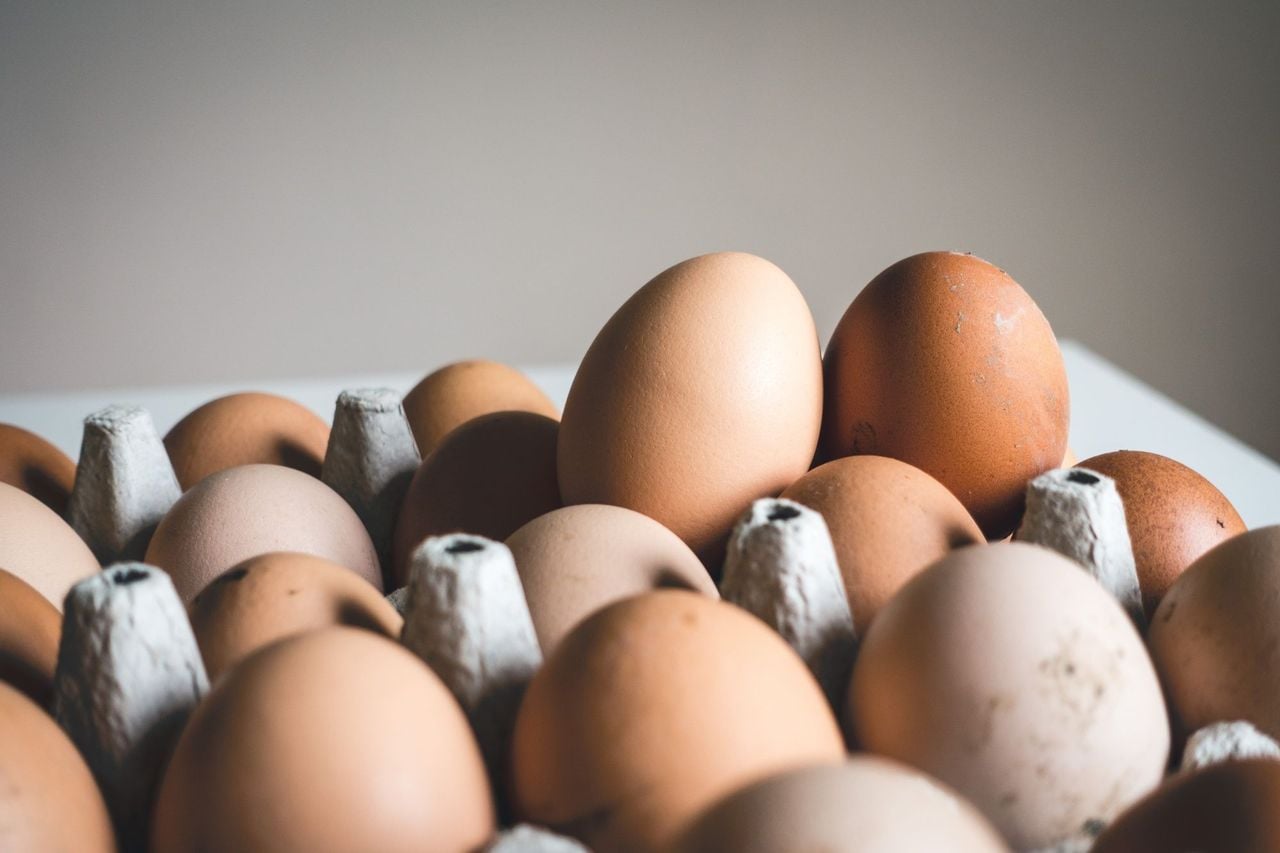
While eggs stack uncooled on Swiss store shelves, you’ll find them in the refrigerated sections of US supermarkets. Regulations there require thorough washing after laying. This breaks down the outer protective layer of the shell, which is why the washed eggs need to be stored in the fridge to stay germ-free.
Swiss people do not refrigerate eggs. Washing eggs is prohibited here and throughout Europe. This allows the eggshell to keep its protective coating, which can, however, lead to mold formation when cooled. Despite how similar one egg is to another, these two hygiene approaches are quite oppositional.
Switzerland has many banks
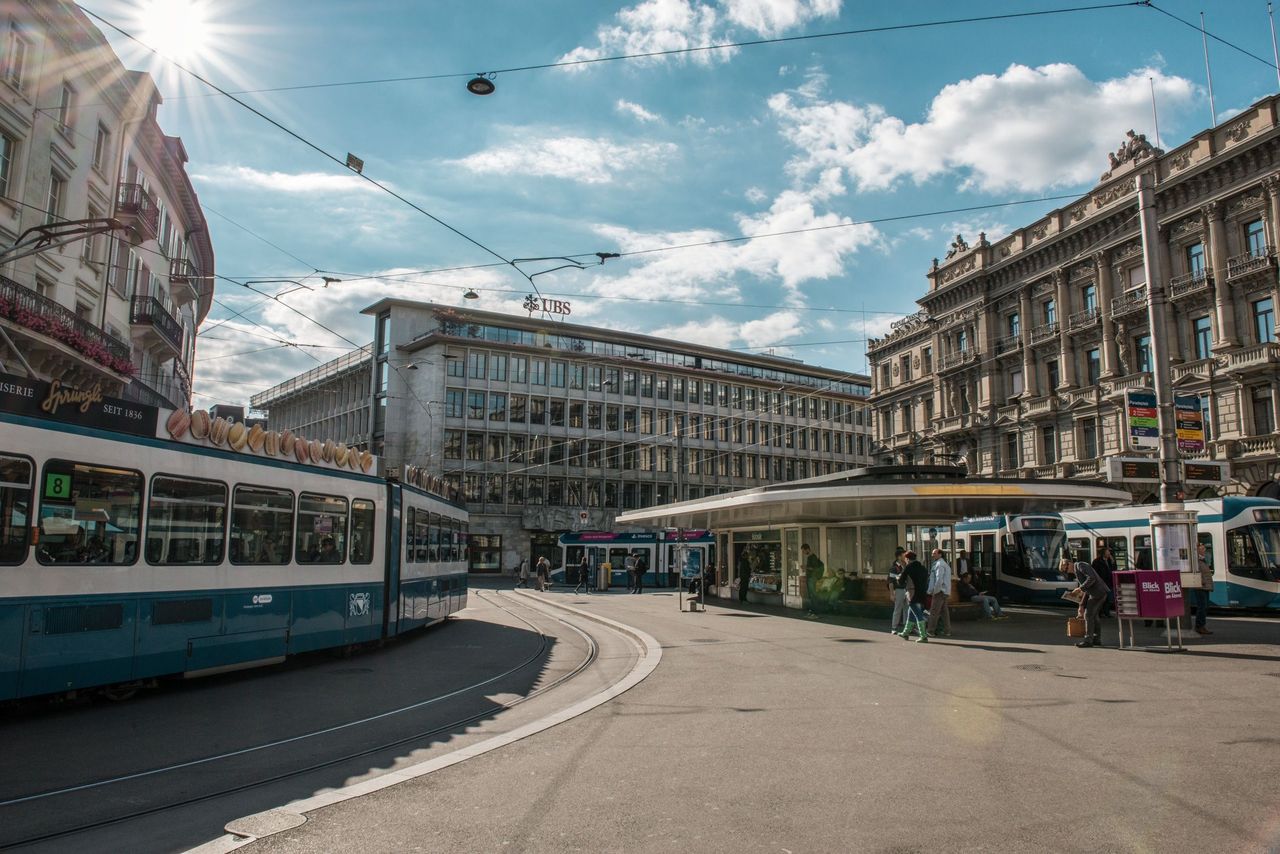
They are never far away: The numerous banks are considered a significant economic sector here. With over 300,000 employees, they manage around 7,000 billion francs as global market leaders. This accounts for a quarter of the cross-border world wealth.
Why are Swiss banks so popular? The reasons can be found in Switzerland's economic and domestic political stability, as well as its foreign policy neutrality. The advantageous tax system and strict banking supervision enhance the attractiveness of the financial center. High professionalism and reliability grant Swiss financial institutions international trust.
Military service is mandatory in Switzerland
Early on, Switzerland had to assert its sovereignty against great powers. Until the end of the Cold War, the Swiss militia army was a mass army of 600,000 soldiers. The fall of the Berlin Wall in 1989 brought peace and neighbouring countries abolished conscription.
What has remained is the federal militia concept: every citizen is a soldier. Despite a reduced army, Switzerland still has compulsory military service. It begins between the ages of 18 and 30 with an 18-week recruit school and lasts 10 years. During this time, there are six refresher courses of three weeks each.
If there are reasons of conscience against armed military service, you have to do civilian service for a longer period of time. Increasingly, women are doing voluntary military service. Today, every soldier is still allowed to keep his weapon at home. This proof of trust, unique in the world, is part of the traditional militia concept of a Switzerland that is willing to defend itself.
Gun ownership is high in Switzerland
More than two million firearms are stored in Swiss households. The Swiss militia system and partly liberal gun legislation make this possible. In Switzerland, there are strictly observed rules for the handling of firearms and an obligation of good conduct when purchasing them.
Although gun ownership is widespread in Switzerland, it remains peaceful. In the gun-friendly United States, there are 5 shootings per 100,000 inhabitants; in this country, the figure is 0.02 cases.
The Swiss love their Sundays
1700 years ago, Emperor Constantine declared Sunday a day of rest. The "Lord's Day" began as a religious rule and developed into a tradition. The Swiss love their Sunday and see this work-free day as a fundamental right. Proposals to loosen Sunday restrictions are regularly rejected by the electorate during votes.
Sunday work is expensive for employers in Switzerland. Cost reasons and regulations keep the shops closed. Shopping is only possible at railway stations, airports, petrol stations, exceptional Sundays and in some tourist destinations. Consideration for neighbours and Sunday peace are highly valued in Switzerland. Mowing the lawn or doing noisy handicrafts in the house are frowned upon.
Have these 40 interesting facts about Switzerland aroused your curiosity? In the destination of superlatives, beautiful, cheerful and exciting things await you in the smallest space. You will benefit from short distances and a rich offer of unforgettable travel experiences.

Planning a trip to Switzerland?
Alpi helps with ideas that suit the place and the weather.