Plan your trip · Travel Tips Switzerland
Save money in Switzerland: the cheapest rail pass and 25 money-saving tips
With the right ticket, the same trip in Switzerland can often cost 15 to 25 per cent less. Find the cheapest rail pass, combine Saver tickets, the Saver Day Pass and regional passes, and save on excursions, food and accommodation too.

Table of Contents
Switzerland is expensive – but how much your trip costs is largely up to you. The biggest savings are in getting around: depending on the ticket combination, the same trip often costs 15 to 25 per cent less, and a group under 25 can save almost half on some trips. In this article you'll learn which rail pass pays off when, how to combine Supersaver tickets, the Saver Day Pass and regional passes cleverly – and how to save on excursions, food and accommodation as well.
In short:
- For most trips of four to six days with one or two mountain excursions, the Swiss Half Fare Card combined with Supersaver tickets is the cheapest option.
- On a long travel day, the Saver Day Pass beats almost every single ticket. If you are under 25, up to four of you travel together for CHF 80 with the Friends Day Pass.
- The Swiss Travel Pass pays off mainly if you cover long distances on most days and take excursions it covers.
- In the mountains a regional pass such as the Jungfrau Travel Pass or the Berner Oberland Pass often makes sense.
Which combination is cheapest for your trip is worked out by the Rail Pass Finder – with exact prices for your trains, dates and excursions.
How to find the cheapest rail pass
Whether a pass pays off depends on three things: how far you travel, on how many days, and which mountain railways you take along the way. Rules of thumb only help so much – two trips of the same length can turn out completely differently.
That is what the Rail Pass Finder is for:
- Enter your trip or tap a popular one – such as the Jungfrau Region, Lucerne and Central Switzerland or the grand tour of Switzerland. The trip's typical excursions, for example up to the Jungfraujoch or Mount Pilatus, are added automatically.
- Let it calculate exactly: for every leg the finder uses the real fare of the chosen train – a Supersaver ticket whenever there is one –, for excursions the operator's price on your travel day, and for passes the official tariffs.
- Read the comparison: you see single tickets, the Half Fare Card, the Saver Day Pass, the Friends Day Pass, the Swiss Travel Pass and the regional passes side by side – plus the cheapest combination for your travel days and how much it saves compared with single tickets.
The finder applies pass benefits only when the official tariffs document them. If a benefit cannot be priced exactly, it uses the full fare and tells you so. The savings it shows are never flattered.
What you save: 10 sample trips with exact prices
We ran the ten most popular trips in the Rail Pass Finder – with their typical excursions, for two adults living abroad, travelling 2nd class:
| Trip | Days | Excursions | Single tickets | Cheapest combination | Savings |
|---|---|---|---|---|---|
| Grand tour of Switzerland | 8 | Jungfraujoch, Gornergrat | CHF 1240.40 | Swiss Half Fare Card + Supersaver tickets: CHF 982.00 | CHF 258.40 (21%) |
| Lucerne and Interlaken | 6 | Pilatus, Jungfraujoch, Grindelwald-First | CHF 970.00 | Swiss Half Fare Card + Supersaver tickets: CHF 799.20 | CHF 170.80 (18%) |
| From Lake Geneva to Zurich | 6 | Jungfraujoch, Pilatus | CHF 883.20 | Swiss Half Fare Card + Supersaver tickets: CHF 756.80 | CHF 126.40 (14%) |
| Gotthard and Ticino | 4 | Rigi | CHF 362.00 | Saver Day Pass + Supersaver tickets: CHF 283.60 | CHF 78.40 (22%) |
| On the Bernina Express | 4 | – | CHF 337.60 | Saver Day Pass + Supersaver tickets: CHF 277.60 | CHF 60.00 (18%) |
| Jungfrau Region | 4 | Harder Kulm, Jungfraujoch | CHF 737.60 | Swiss Half Fare Card + Supersaver tickets: CHF 682.40 | CHF 55.20 (7%) |
| Interlaken and its mountains | 4 | Harder Kulm, Jungfraujoch | CHF 732.80 | Swiss Half Fare Card + Supersaver tickets: CHF 679.20 | CHF 53.60 (7%) |
| Lucerne and Central Switzerland | 4 | Pilatus, Rigi | CHF 402.80 | Saver Day Pass + Supersaver tickets: CHF 356.80 | CHF 46.00 (11%) |
| Zermatt and the Glacier Express | 4 | Gornergrat | CHF 561.20 | Single tickets with Supersaver fares | – |
| Zermatt and the Matterhorn | 4 | Gornergrat | CHF 448.00 | Single tickets with Supersaver fares | – |
Three things stand out:
- The Swiss Half Fare Card wins most often. It halves trains and mountain railways and combines with Supersaver tickets – from about three travel days with excursions it usually pays for itself.
- Short trips with one long travel day go to the Saver Day Pass. On the Lucerne trip it even makes the Rigi free on the Rigi day, because the Rigi lies within the GA area.
- Groups and families save even more. Four friends under 25 travel "Gotthard and Ticino" with the Friends Day Pass for CHF 403.20 instead of CHF 724.00 (–44%). A family with a 10-year-old saves CHF 360.60 (–25%) on the grand tour, because the child travels free with the Swiss Family Card.
If you live in Switzerland, the Half Fare Travelcard saves you 14% on the grand tour, and the Saver Day Pass 22% on "Gotthard and Ticino".
Calculated with the Rail Pass Finder on 21 October 2026 for a trip starting 24 November 2026. Prices, Supersaver allocations and seasons change – for your dates the Rail Pass Finder calculates afresh.
The money-saving tools at a glance
- Supersaver tickets (Sparbillette) are cheaper tickets for one specific train. They are valid only on that connection and sold in limited numbers – the earlier you book, the more likely there are some left. More in our article on train tickets in Switzerland.
- Saver Day Pass: a whole day of unlimited travel in the GA area, so on almost all trains, buses and boats in Switzerland. In 2nd class it costs from CHF 29 with a Half Fare card, from CHF 52 without – booking early pays off.
- Friends Day Pass: for everyone under 25 – up to four people travel together for one day for CHF 80 in 2nd class.
- Half Fare Travelcard and Swiss Half Fare Card: both halve the fares for trains, buses, boats and most mountain railways. The Half Fare Travelcard is valid for a year and is for residents of Switzerland; the Swiss Half Fare Card is valid for one month and is for visitors from abroad. With either card you also buy Supersaver tickets and the Saver Day Pass at the half-fare price. With the Day Pass for Half Fare holders you travel freely on single days.
- Swiss Travel Pass and Swiss Travel Pass Flex: unlimited travel by train, bus and boat on consecutive or freely chosen days, many mountain railways free or at half price, and free entry to more than 500 museums. Available to visitors who live outside Switzerland and Liechtenstein. Prices and value are explained in Swiss Travel Pass – is it worth buying? and how to use your Swiss Travel Pass.
- Regional passes: the Jungfrau Travel Pass covers the Jungfrau Region, the Berner Oberland Pass the whole Bernese Oberland and the Lucerne Travel Pass Central Switzerland. Whether the Jungfrau Travel Pass is worth it for you is covered in our Jungfrau Travel Pass guide.
- Swiss Family Card: your own children aged 6 to 15 travel free when a parent holds a Swiss Travel Pass or a Swiss Half Fare Card. Children under 6 always travel free. Residents of Switzerland use the Junior Card instead.
The money-saving combination: Supersaver ticket, Saver Day Pass and regional pass
You rarely travel cheapest with a single product – it is the right combination, day by day, that saves the most:
- Single journeys with a Supersaver ticket. If you only travel from A to B on a day, a Supersaver ticket (halved once more with a Half Fare card) is usually unbeatable.
- Long travel days with the Saver Day Pass. If you change base and take an excursion along the way, the Saver Day Pass covers every train, bus and boat in the GA area – under 25, the Friends Day Pass does.
- Mountain days with the right regional pass. If you plan several mountain railways in the Jungfrau Region, Harder Kulm, Grindelwald-First and Schynige Platte are included in the Jungfrau Travel Pass; for the Jungfraujoch you add a discounted connecting ticket.
- The Half Fare Card as your base. On trips of about three days or more with excursions, the Swiss Half Fare Card almost always pays off: it halves the mountain railways and makes Supersaver tickets and the Saver Day Pass cheaper.
The Rail Pass Finder puts this combination together for your travel days automatically.
Excursions and mountain railways: what the passes really give you
Excursions often hold the biggest savings – and the biggest differences between the passes:
| Excursion | Swiss Travel Pass | Half Fare Card | Jungfrau Travel Pass | Berner Oberland Pass | Saver Day Pass |
|---|---|---|---|---|---|
| Rigi | free | 50% | – | – | free |
| Pilatus | 50% | 50% | – | – | – |
| Jungfraujoch | special price | about 50% | connecting ticket | special price | – |
| Harder Kulm | 50% | 50% | free | 50% | – |
| Grindelwald-First | 50% | 50% | free | 50% | – |
| Schynige Platte | 50% | 50% | free | free | – |
| Gornergrat | 50% | 50% | – | – | – |
| Schilthorn | 50% | 50% | – | free | – |
| Stanserhorn | free | 50% | – | – | free |
"–" means no benefit: you pay the full fare, or the fare with your Half Fare card.
More summits for your trip: 20 mountain peaks in Switzerland you should not miss.
More money-saving tips for getting around
- Book early: Supersaver tickets and Saver Day Passes are sold in limited numbers and get scarcer and pricier as the travel day approaches. Saver Day Passes go on sale up to six months ahead – book as soon as your plans are fixed.
- Choose the right time to travel: in spring and autumn, hotels and mountain railways are cheaper and less crowded. More: the best time to visit Switzerland.
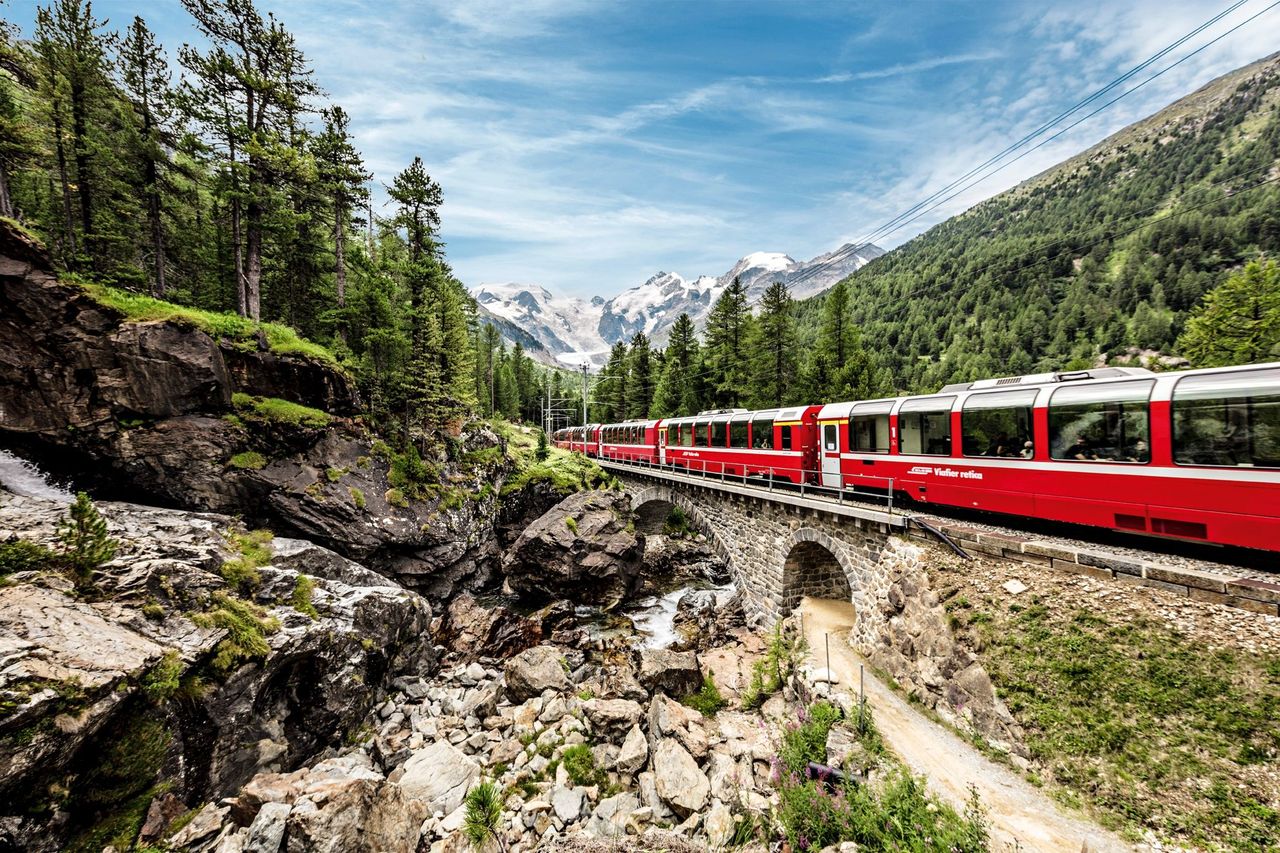
- Use panoramic trains cleverly: with the Swiss Travel Pass you pay only the seat reservation on the Glacier Express and the Bernina Express; with a Half Fare card, half the fare plus the reservation. If you don't need the panoramic car, ride the same line on a regional train without a reservation.
- Pay by card in francs: you can pay by card almost everywhere. A card without foreign-currency fees (such as Revolut) saves you exchange losses.
- The right apps: with these apps for your Switzerland trip you have connections, Supersaver tickets and the weather at a glance.
- Plan your route: ready-made itineraries with timings are in 4 days in Switzerland, 6 days in Switzerland and 8 days in Switzerland. Everything about the train, bus and boat network is explained in public transport in Switzerland.
Focus on free activities
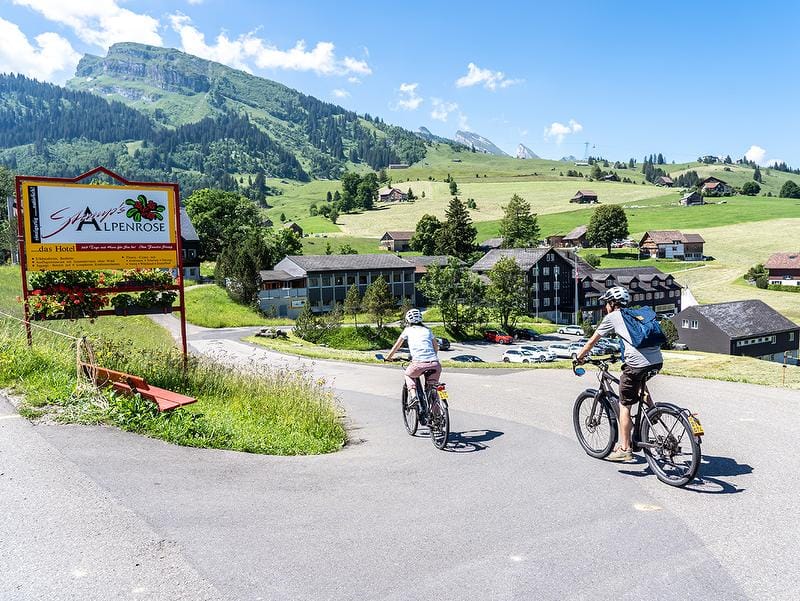
Many attractions in Switzerland cost nothing: wildlife parks, theme trails, churches, many museums and above all the natural attractions – lakes, waterfalls and gorges. Hiking and swimming in a lake are kind to your budget too. Many cities offer free city tours, and castles, bridges and old towns can be admired from outside for free. You'll find more than 100 ideas in our article 100 free things to do in Switzerland.
Stay for less
- Hotels with special offers: packages with half board or a mountain railway ticket are often cheaper than the parts. Compare directly with the hotel and on booking sites.
- Youth hostels and hostels: more than 50 youth hostels in Switzerland offer beds and family rooms at fair prices, even cheaper with membership.
- Holiday apartment: if several of you travel together, an apartment is often cheaper than hotel rooms – and you can cook yourselves.
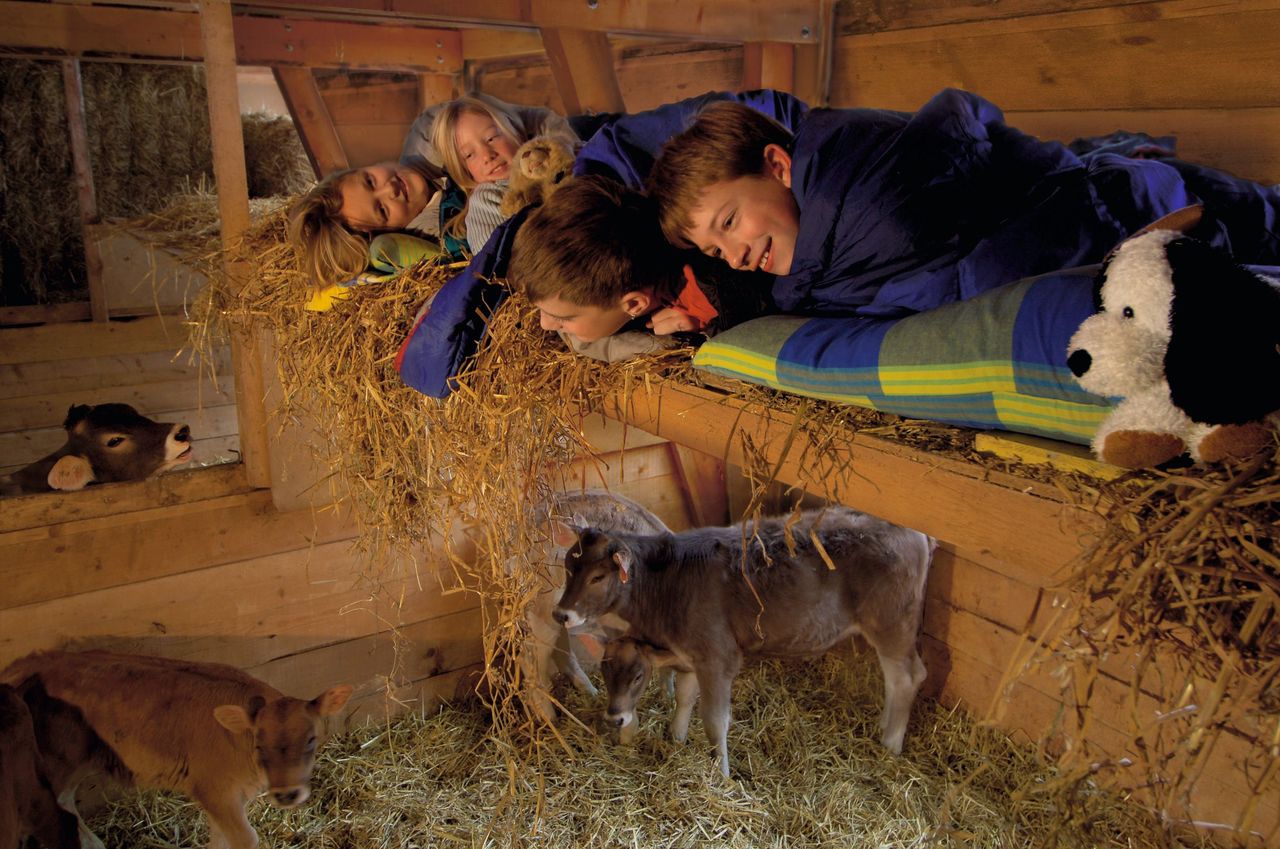
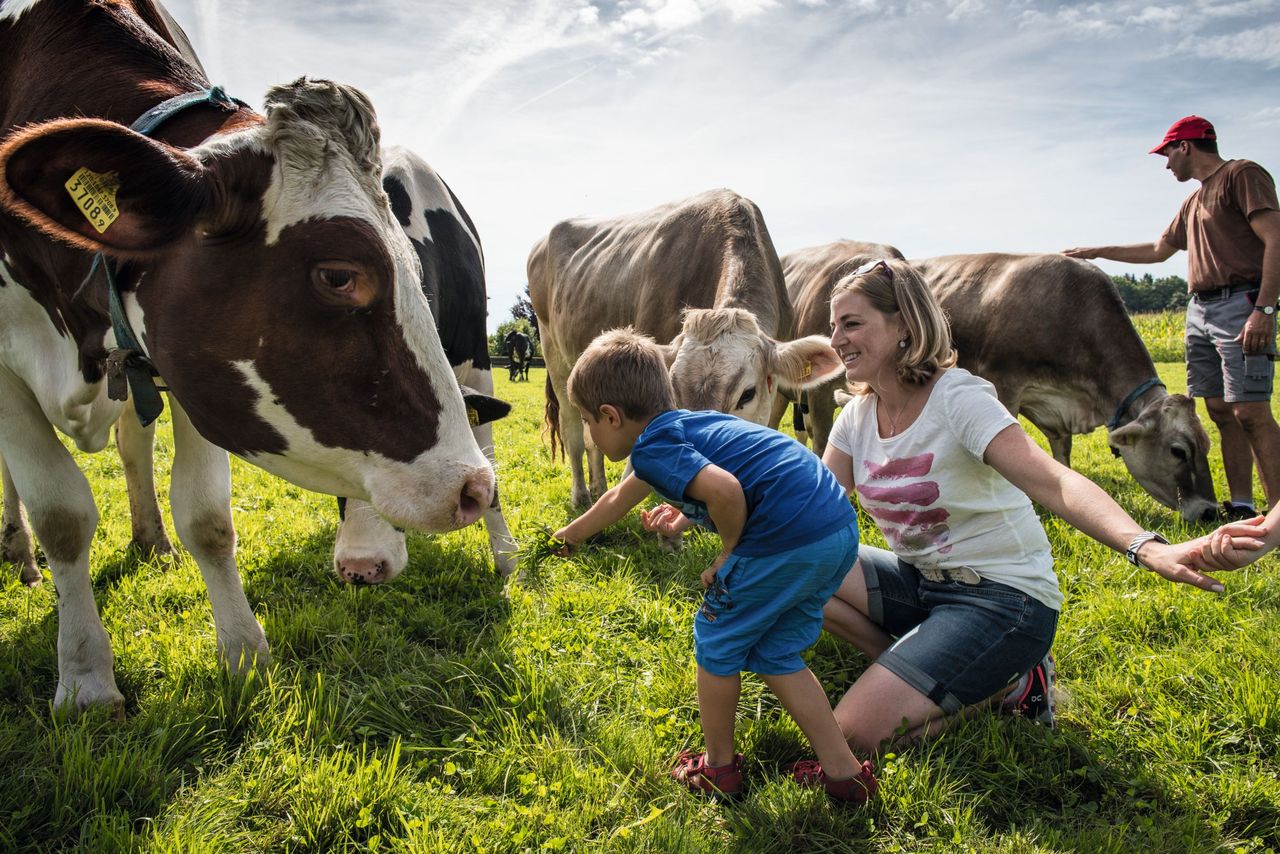
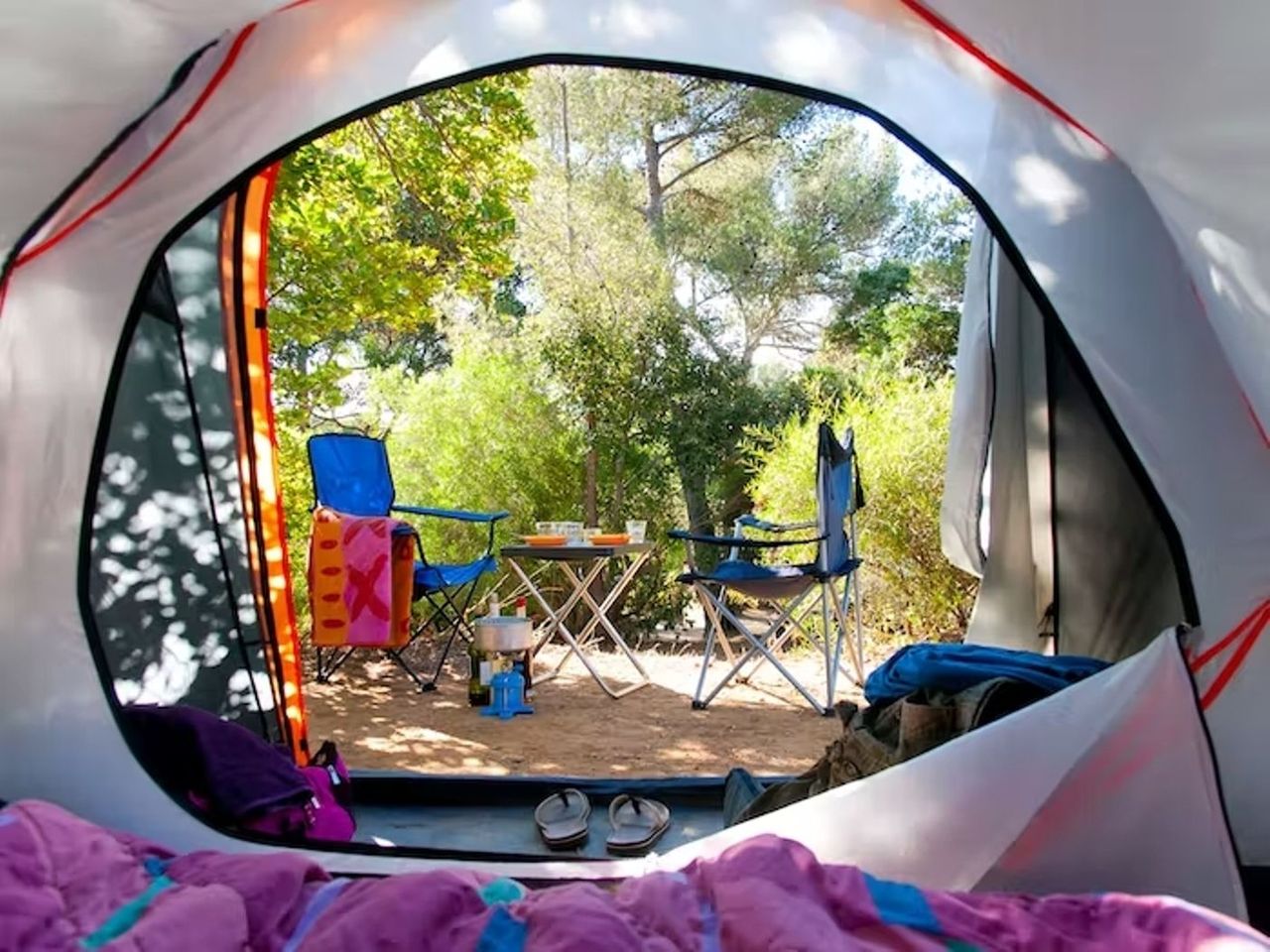
- Farm stays, sleeping in straw and camping: sleeping in straw starts at around CHF 10 per person, and campsites and farm stays often lie in the most beautiful countryside.
Eat and drink for less
- Lunch menu instead of dinner: many restaurants offer a daily menu between 11:30 and 13:30 that is much cheaper than eating à la carte in the evening.
- Self-service restaurants: the restaurants of the big supermarkets and canteens are often the cheapest hot meal.
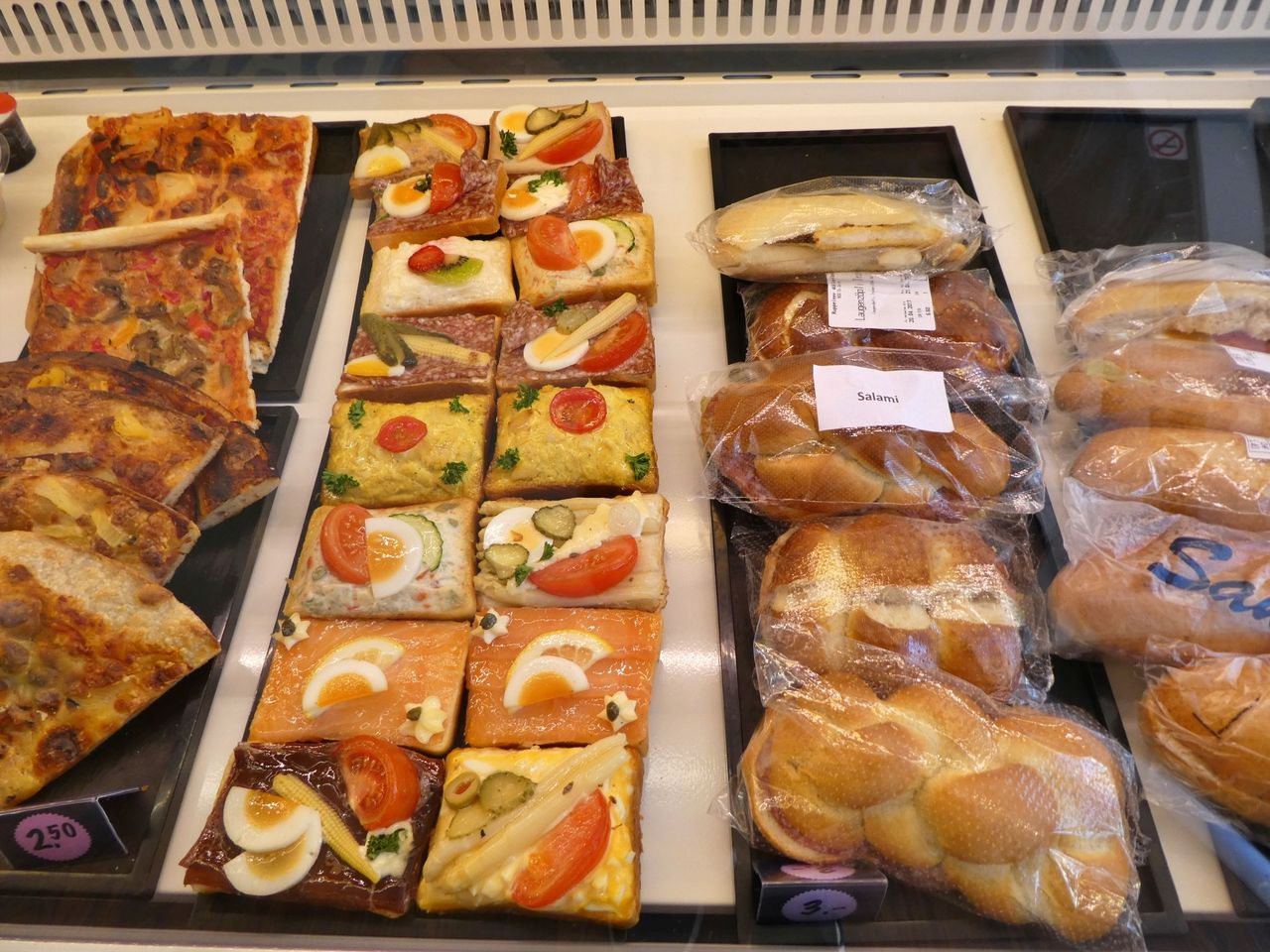
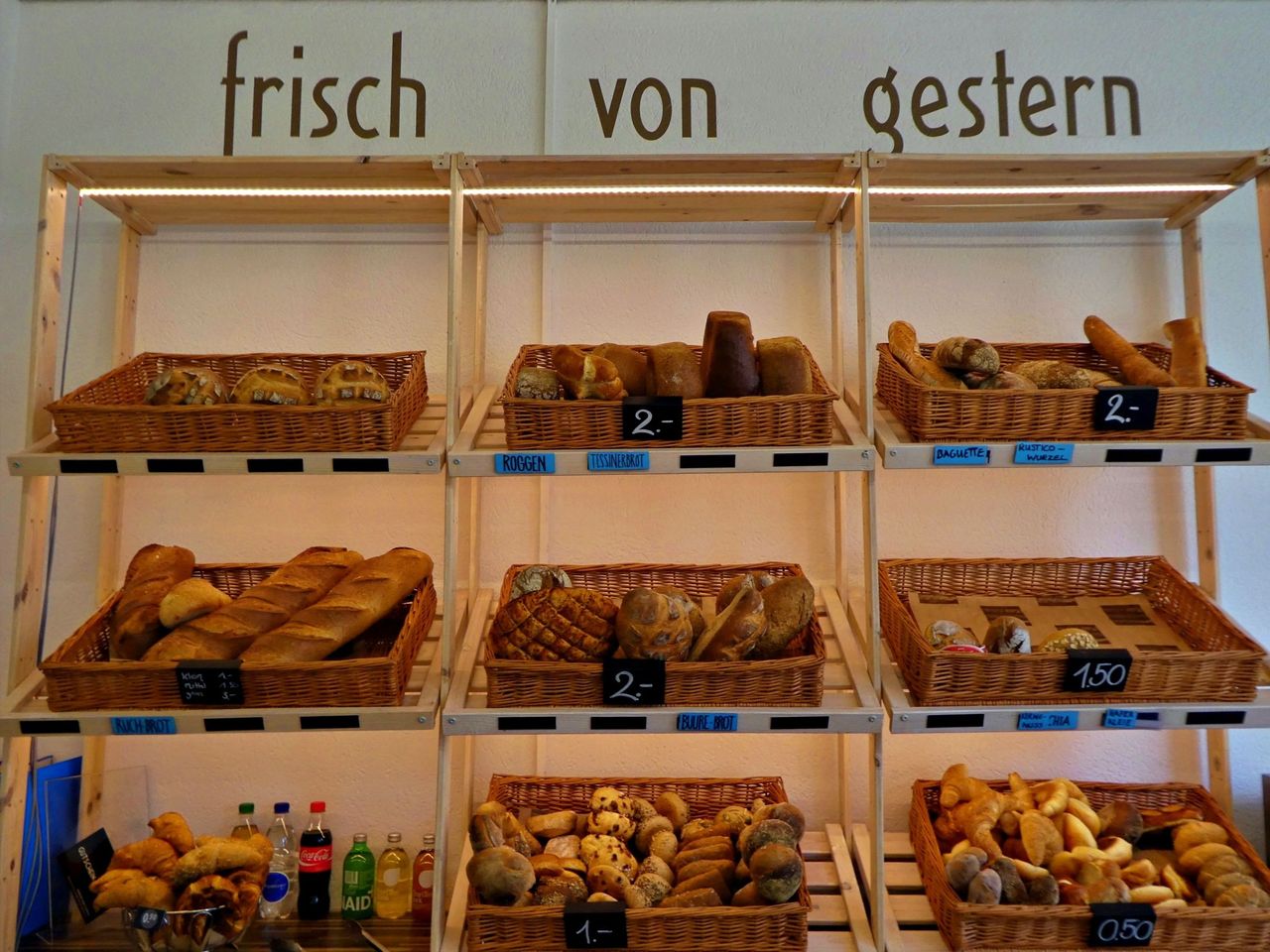
- Fight food waste: with apps such as Too Good To Go you get leftover food from bakeries and restaurants for a fraction of the price.
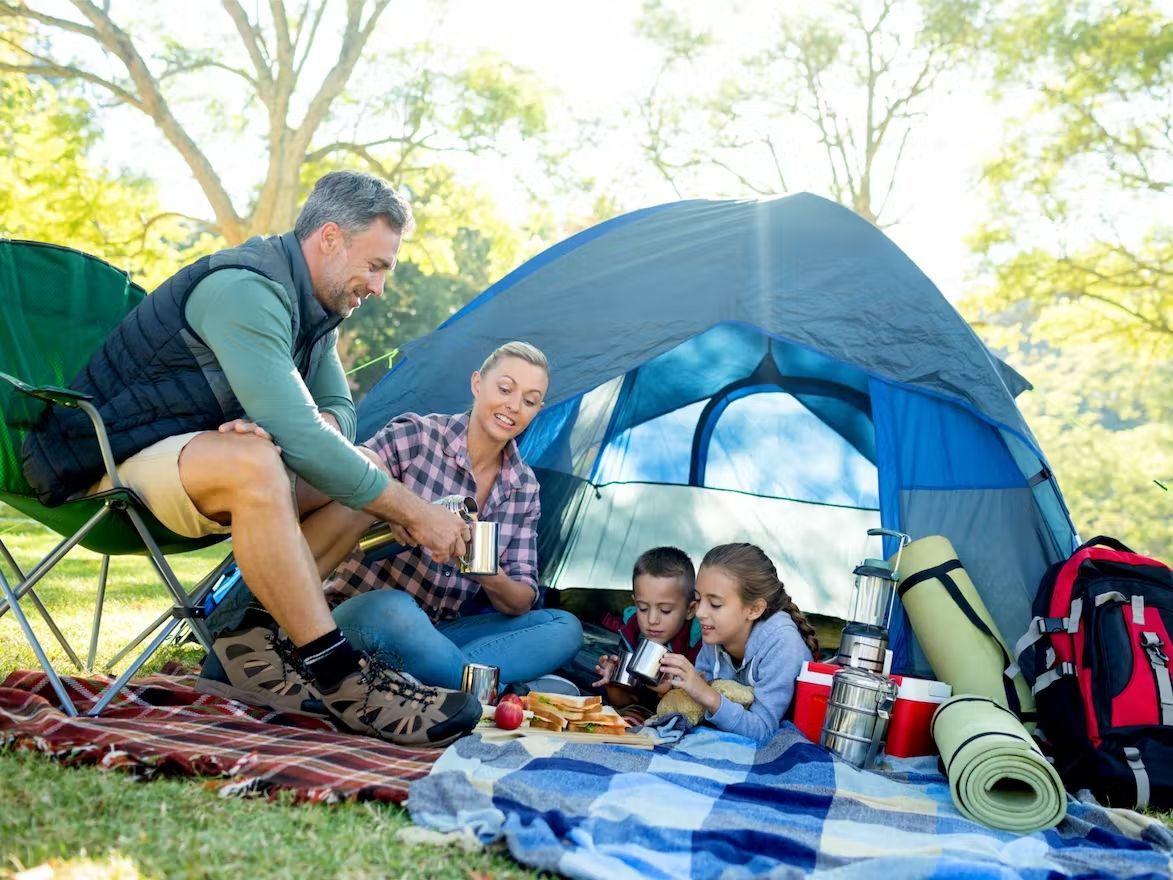
- Picnic: shop at the supermarket or a farm shop and find a spot by the lake or in the mountains – tap water is drinkable everywhere in Switzerland and free.
- Cook for yourself: supermarket own brands and the discount stickers in the evening noticeably reduce your shopping bill.
Getting here and around for less
- Flights: compare prices on comparison sites and directly with the airline, stay flexible with your dates and book early.
- Long-distance buses: for travelling here from Europe, long-distance buses are often the cheapest choice; within Switzerland the train is usually faster and, with a Supersaver ticket, no more expensive.
- Car and car sharing: with several people in the car you share the costs; for single days car sharing is cheaper than a rental car. Keep parking fees and the motorway vignette in mind.
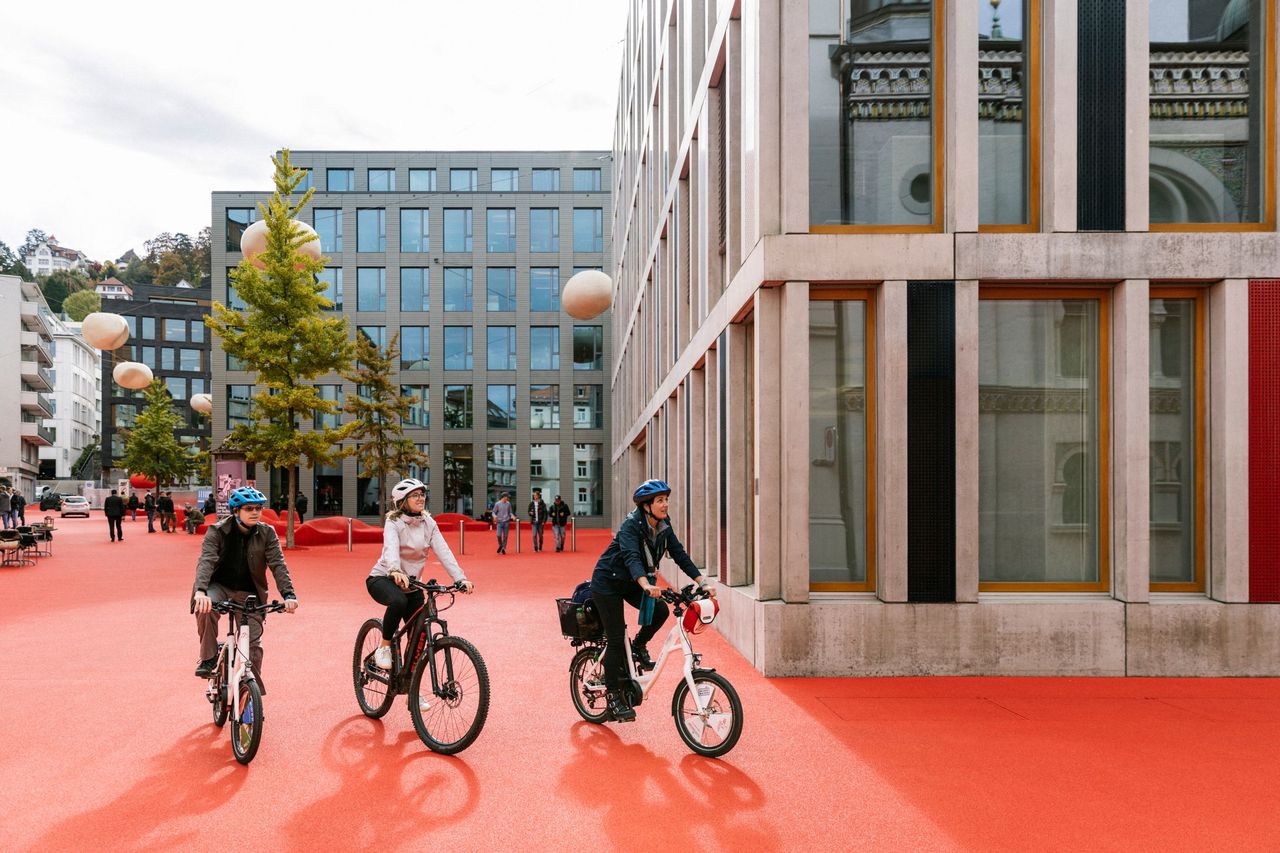
- Bike: many cities have bike sharing, some of it even free – ideal for short distances.
Conclusion
Switzerland doesn't have to be expensive. You save the most by choosing the right ticket for every travel day: Supersaver tickets for single journeys, the Saver Day Pass for long days, the Swiss Half Fare Card as your base and the right regional pass in the mountains. Which combination is cheapest for your trip, the Rail Pass Finder works out in a few seconds.
Questions & Answers (FAQs)
Which rail pass is cheapest for tourists?
It depends on your route, your travel days and your excursions. In our sample calculations for trips of four to eight days, the Swiss Half Fare Card combined with Supersaver tickets was most often the cheapest solution; for short trips with one long travel day it was the Saver Day Pass. For your own trip, the Rail Pass Finder calculates every option exactly.
Is the Swiss Travel Pass worth it?
It is worth it if you cover long distances on most days and take many excursions it covers for free or at half price – Rigi, Stanserhorn and the boats on Lake Lucerne are free, Pilatus and Gornergrat half price. On shorter trips it often costs more than the Swiss Half Fare Card with Supersaver tickets.
What is cheaper: a Supersaver ticket or the Saver Day Pass?
If you only make one journey on a day, the Supersaver ticket is usually cheaper. If you travel far, change base or take excursions by train, bus or boat along the way, the Saver Day Pass pays off. It is valid all day in the GA area – on the Rigi, for example, the ride is free with it.
How do children travel cheaply in Switzerland?
Children under 6 travel free. Your own children aged 6 to 15 travel free with the free Swiss Family Card when a parent holds a Swiss Travel Pass or a Swiss Half Fare Card. Families living in Switzerland use the Junior Card instead.
How much can I save with the right ticket?
In our ten sample trips, two adults saved up to 21 per cent compared with single tickets, a family up to 25 per cent and four friends under 25 up to 44 per cent with the Friends Day Pass. How much it is for you, the Rail Pass Finder shows for your route and your dates.

Planning your trip to Switzerland?
Alpi helps with ideas that fit the place and the weather.